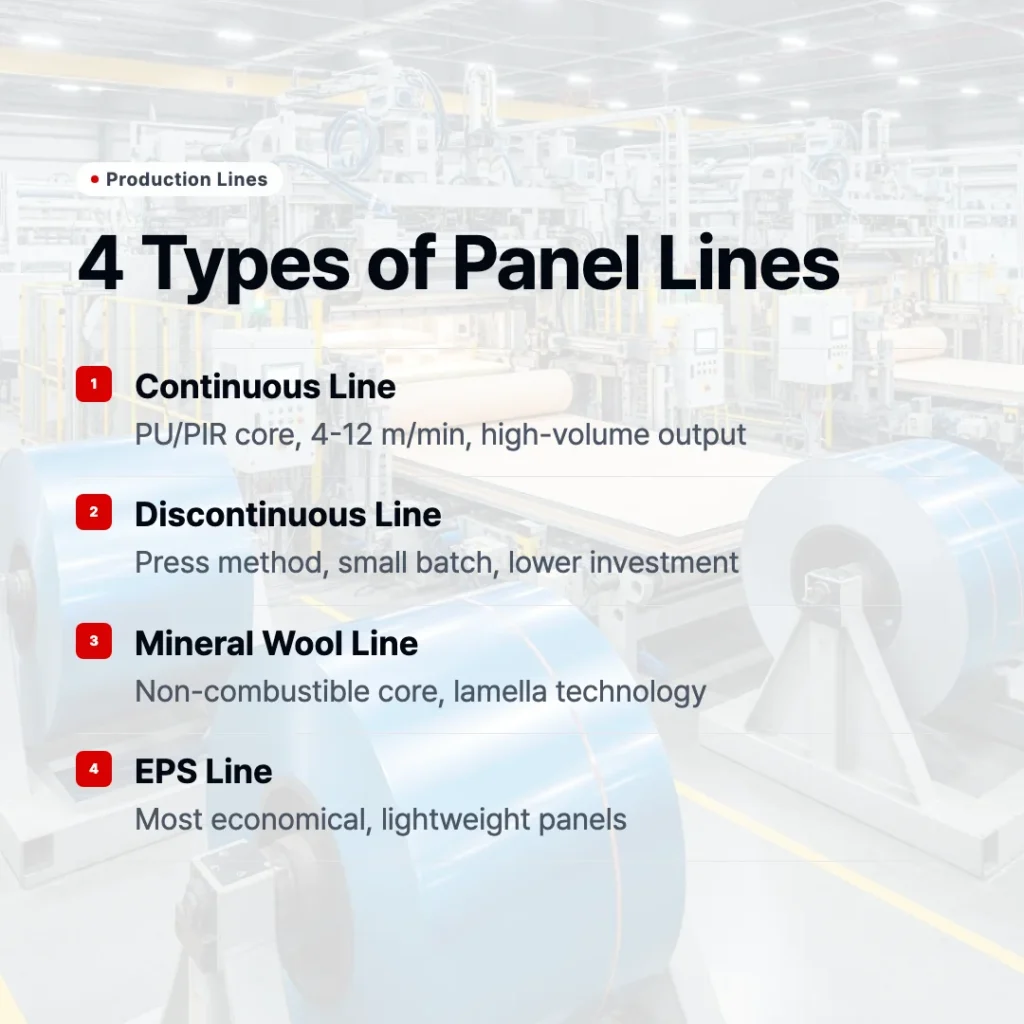
Rigid polyurethane foam insulation board is one of the most efficient ways to insulate a wall without giving up floor space. In Korea, the standard that governs it has recently changed, and the new rules ask manufacturers to prove more than thermal performance. This case follows one board product from certification and grade selection to the stock yard, an apartment construction site and the finished wall.
In this article, we will look at what the board is, what the new KS standard checks, how the three grades differ, and what delivery and installation look like in practice.
What Rigid Polyurethane Foam Board Is
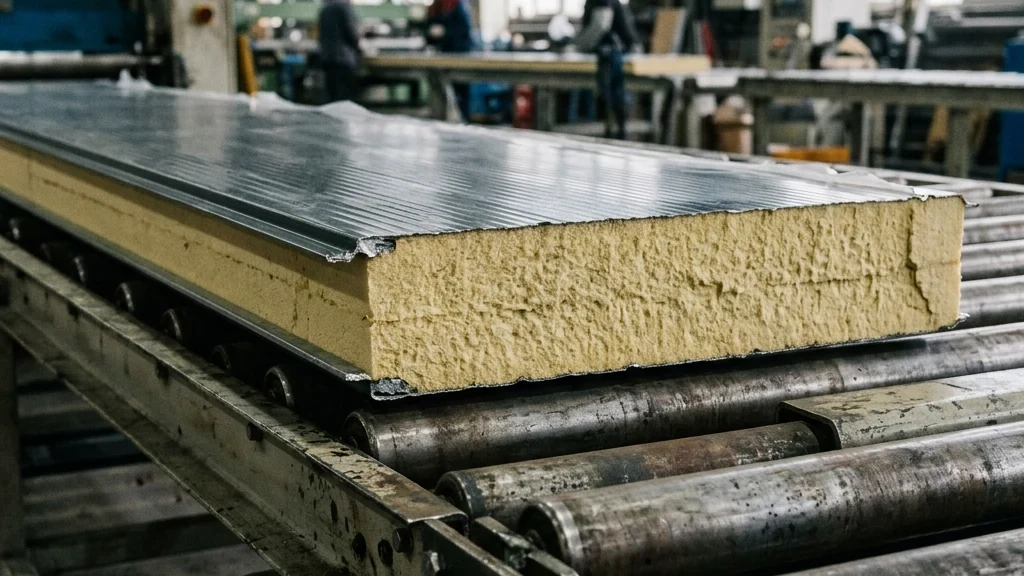
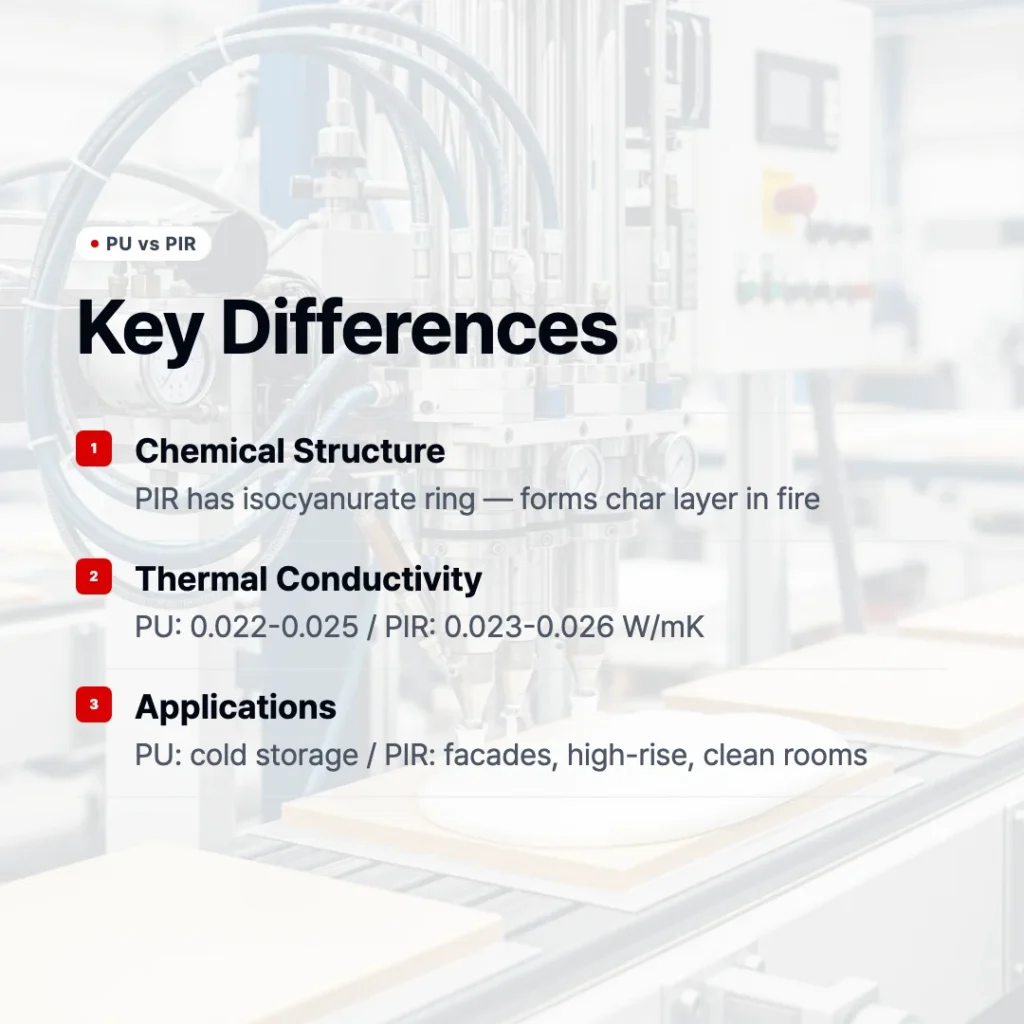
Rigid polyurethane foam board is a factory made insulation panel produced by foaming PUR or PIR chemistry into a dense, closed cell board. The closed cells trap gas and block heat transfer, which gives the board very low thermal conductivity, approximately 0.020 to 0.025 W/m·K for this product family.
Because it insulates well at a small thickness, the board helps keep walls thin. That is useful in apartments and remodeling projects, where every centimeter of insulation taken from the room is lost floor area. The board is also light, absorbs little water, and can be cut and fitted easily on site.
Some boards are pure foam, while others carry a facing on both sides. A facing is a sheet bonded to the board surface to protect it and make it easier to handle and install. Whether a board is faced is one of the main differences between the grades described below.
Certified Under KS M ISO 4898
The Korean standard for this product used to be KS M 3809, which covered rigid polyurethane foam insulation. It has been replaced by KS M ISO 4898, the integrated standard for rigid cellular plastic insulation for buildings, and the test program became more detailed.
Under the new standard, the following properties are managed and tested:
- Initial thermal conductivity and long term thermal resistance
- Compressive strength and compression creep
- Water vapor permeability
- Combustibility and flame retardancy
- Emission of harmful substances such as formaldehyde and toluene
The difference between the old and new standard is that the new one adds long term behavior and indoor air quality to the core question of insulation value. A board can no longer be judged only by how well it insulates on the day it leaves the factory.
K Industrial, the Korean name of KINDUS, renewed its KS certification under the new standard, with certification number 17-0010 issued by the Korean Standards Association. The renewed test reports cover all three grades.
Three Grades Compared
The board is produced in three grades under the PUR category of the standard. Grade I-A is pure foam without facing, light and easy to cut. Grades II-A and III-A have facings on both sides for better surface strength and workability on walls and ceilings, and III-A has the highest density and compressive strength of the three.
The values below are taken from the product labels issued under KS M ISO 4898.
| Property | PUR I-A | PUR II-A | PUR III-A |
|---|---|---|---|
| Facing | None | Both sides | Both sides |
| Density | 30 kg/m³ or more | 30 kg/m³ or more | 35 kg/m³ or more |
| Compressive strength | 80 kPa or more | 100 kPa or more | 150 kPa or more |
| Initial thermal conductivity | 24 mW/(m·K) or less | 23 mW/(m·K) or less | 23 mW/(m·K) or less |
| Water absorption | 4 % or less | 3 % or less | 3 % or less |
| Flexural failure load | 15 N or more | 25 N or more | 35 N or more |
| Combustibility | HF-1 | HF-1 | HF-1 |
All three grades share the same emission limits: formaldehyde 0.02, toluene 0.08 and total volatile organic compounds 4.0 mg/m²·h or less. That shared floor is what the new standard adds for indoor use.
Which grade is used for apartment interior insulation?
III-A, the high performance faced grade with higher density and compressive strength, is the grade mainly used for apartment interior insulation and high insulation buildings.
Production and Stock at the Plant
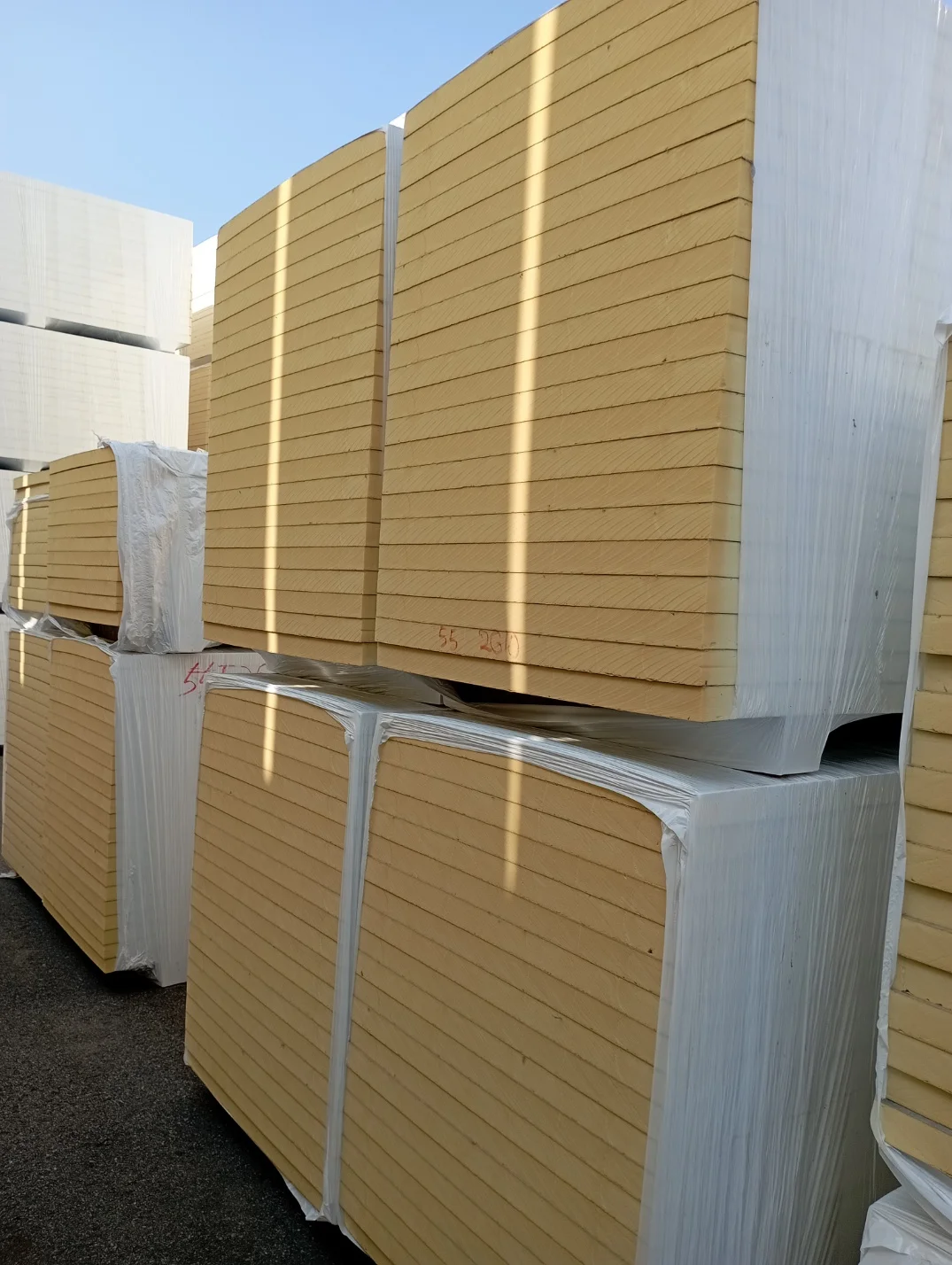
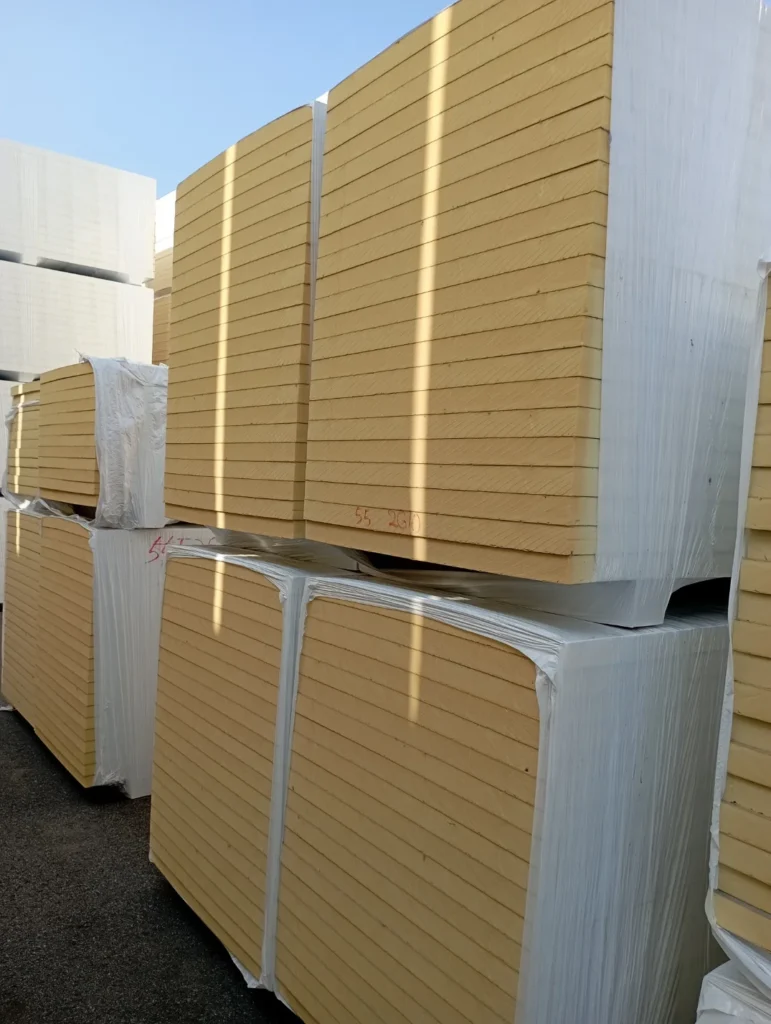
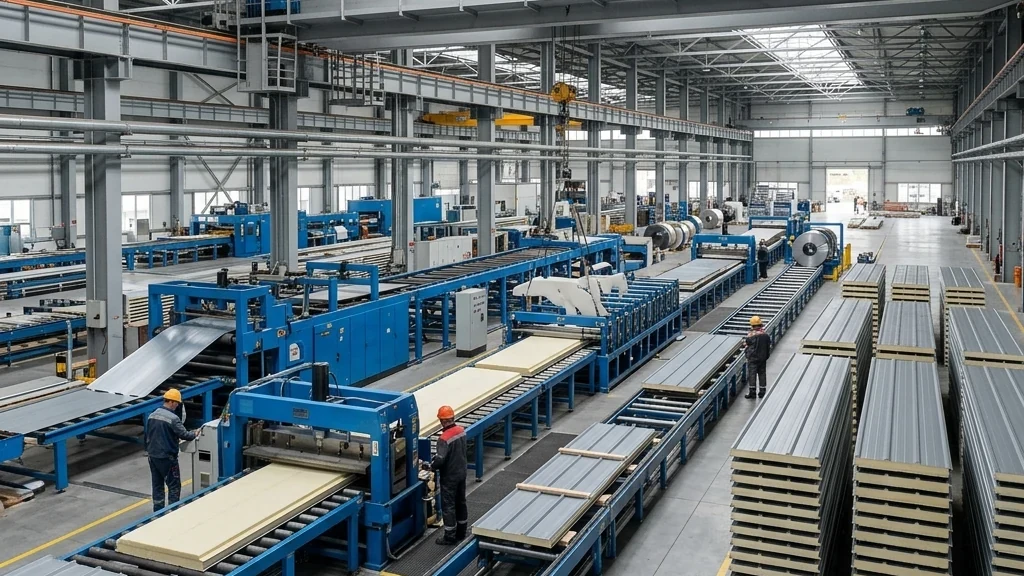
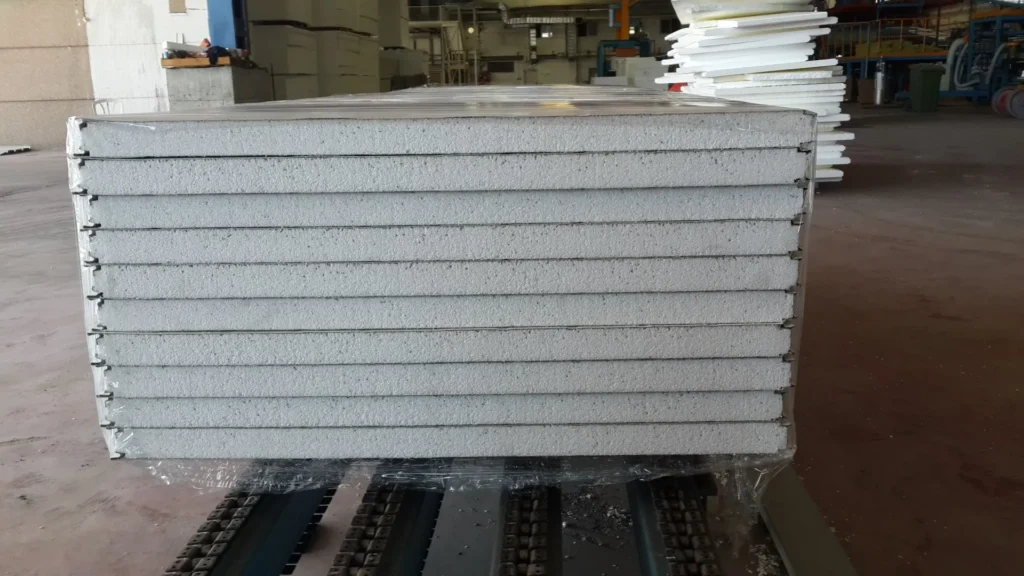
The boards are produced at the KINDUS Hwaseong Plant, the group’s panel and board manufacturing site. After production, they are bundled and wrapped in protective film before going to the stock yard.
Wrapping is not cosmetic. Rigid foam boards should be kept out of direct sunlight and protected from dust and rain, because long exposure can discolor or deform the surface. Stacked flat on level ground, wrapped bundles hold their shape until they are loaded for delivery.
Delivery to an Apartment Construction Site
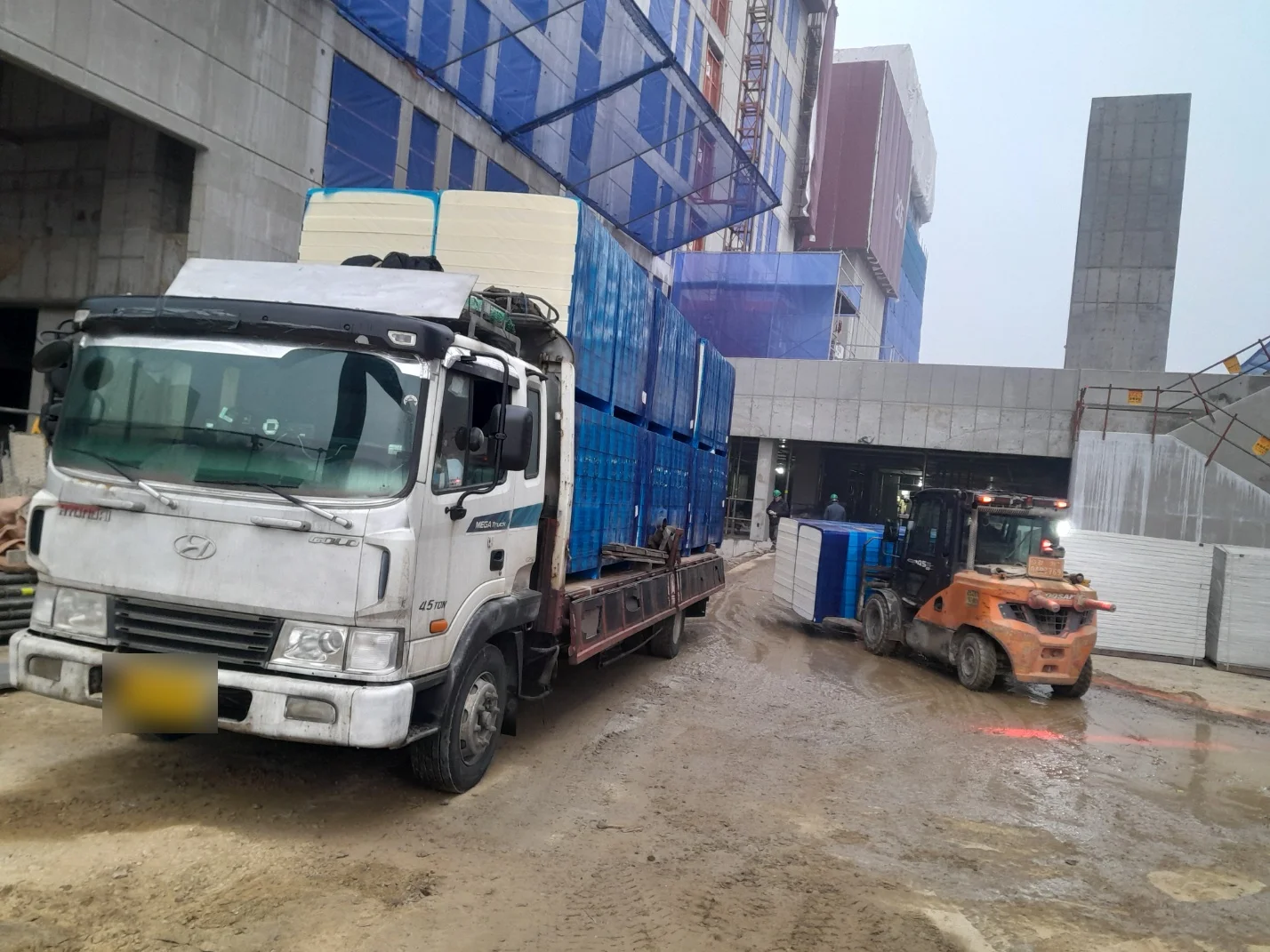
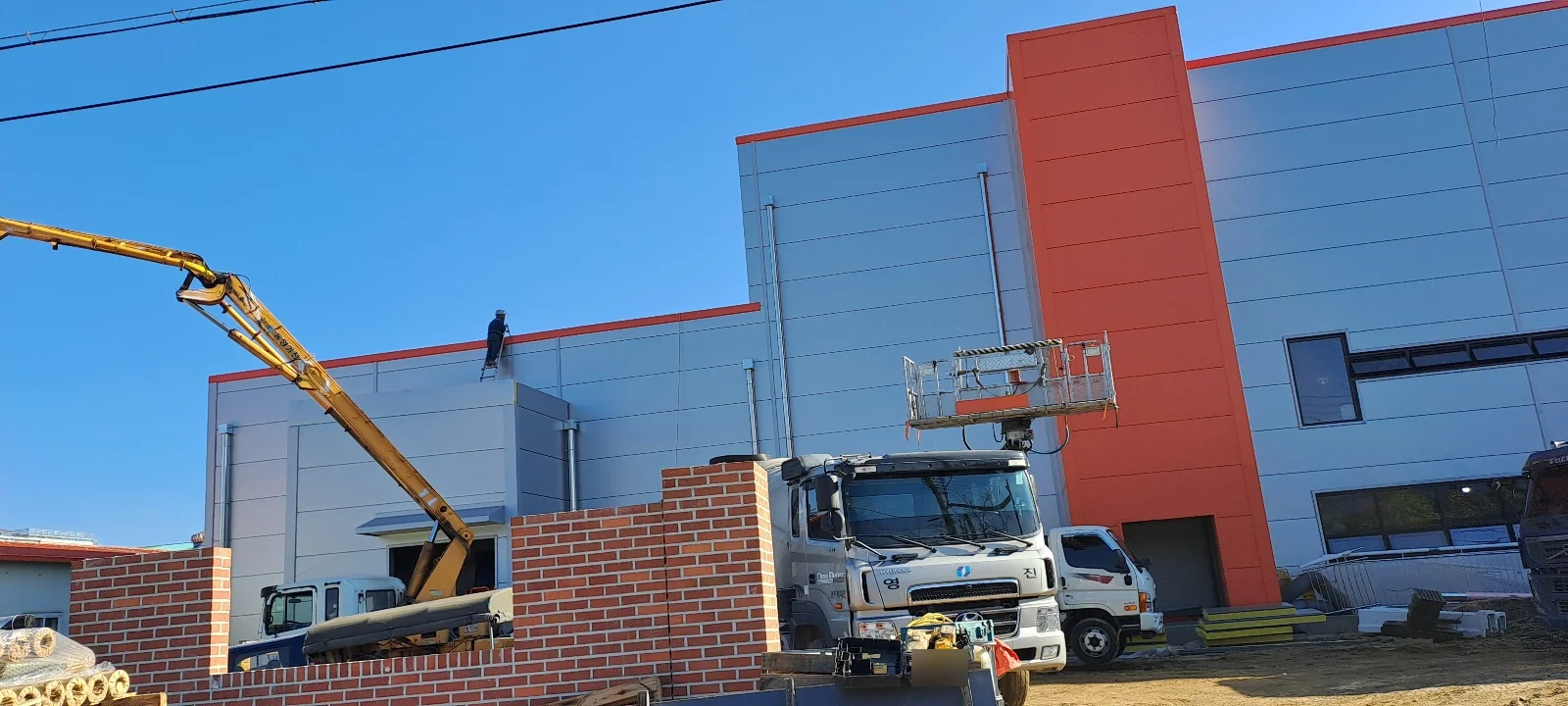
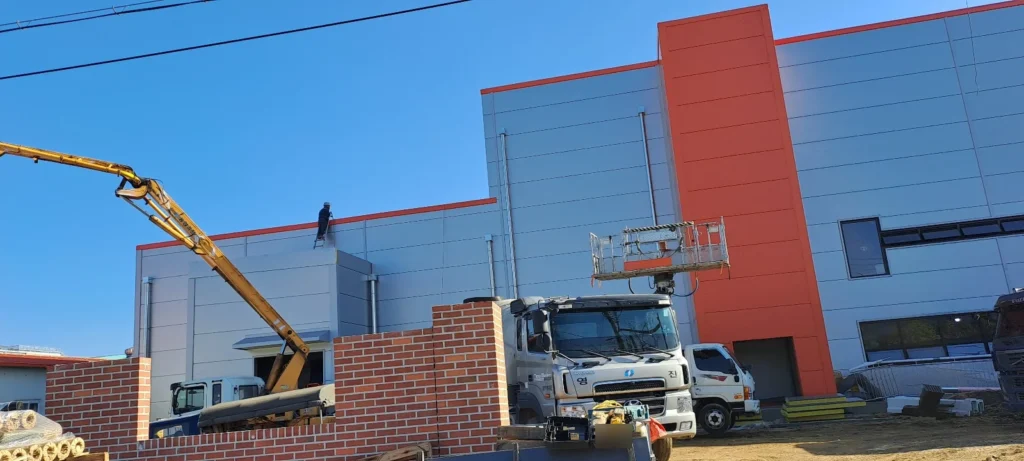
The next step is delivery. On this project, the boards went to a large apartment construction site, where a truck arrived loaded with wrapped bundles and a forklift moved them to the staging area.
Apartment sites are tight and busy, so delivery has to match the installation schedule. Bringing bundles in the order they will be used, and keeping them wrapped until the crew needs them, reduces handling damage and keeps the boards dry on a muddy site. Inland transport for the group is handled by KINDUS T&C, which moves products from the Hwaseong Plant to construction sites.
On the Wall: Interior Insulation in Practice
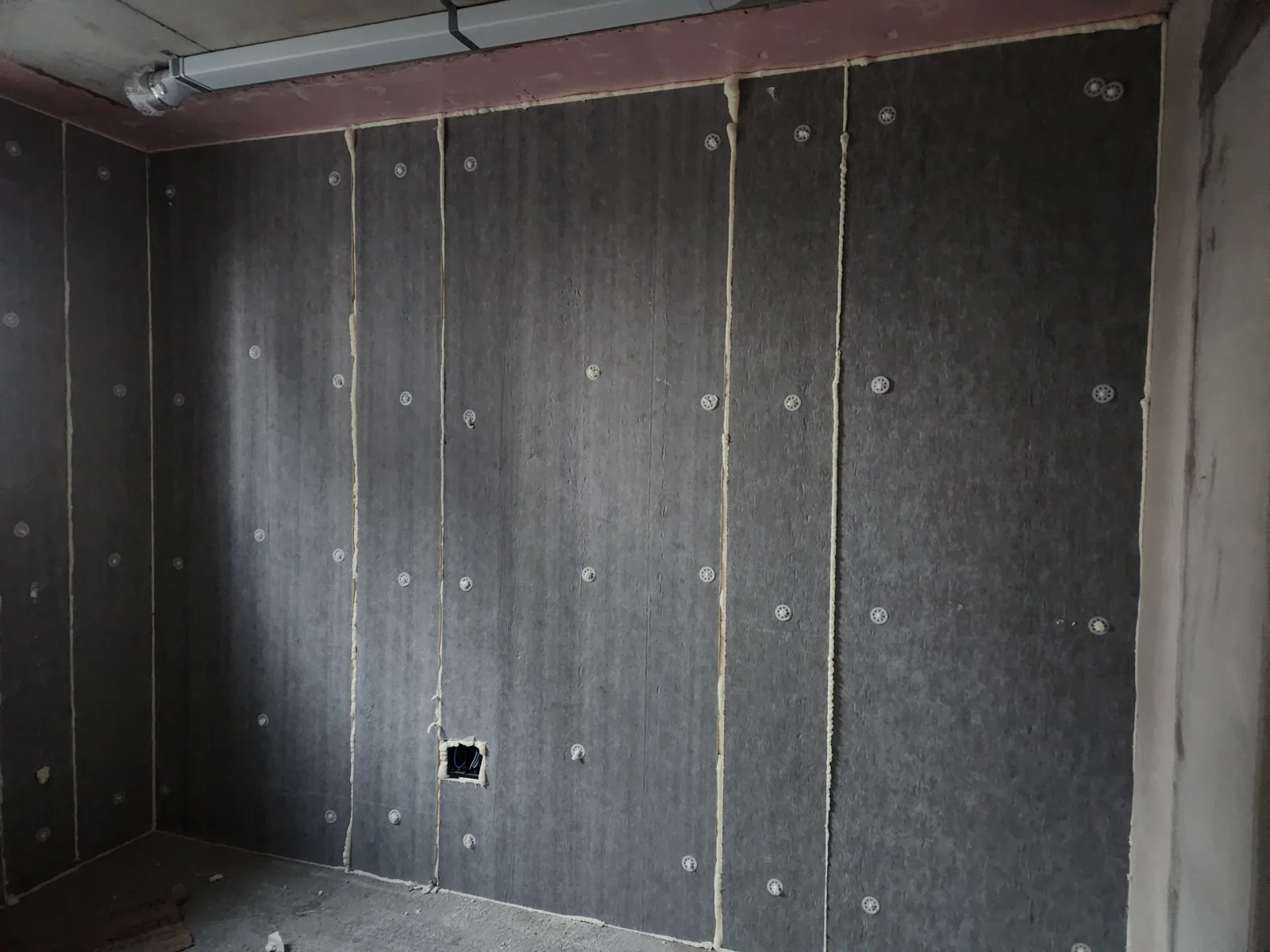
On site, the faced boards were fixed directly to the inside of the concrete walls with mechanical anchors, and the joints between boards were filled to avoid gaps. A continuous layer without gaps is what turns good board numbers into real wall performance.
A few handling rules from the product guidance matter during installation:
- Avoid adhesives containing organic solvents such as methanol, which can shrink or deform the foam
- Do not use the board where service temperatures exceed 100 °C
- When fixing to gypsum board, attach the board firmly with bonding to prevent sagging
- Plan interior finishing promptly after installation to limit exposure
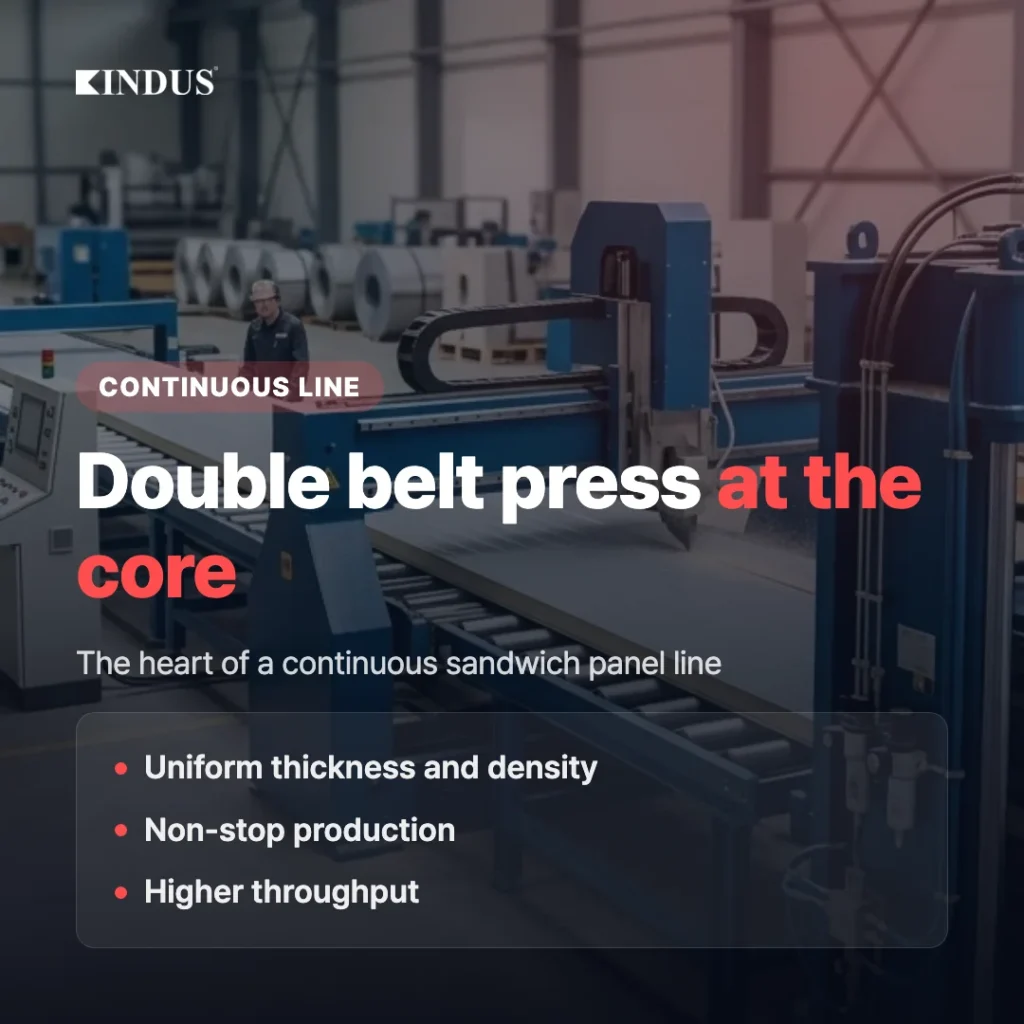
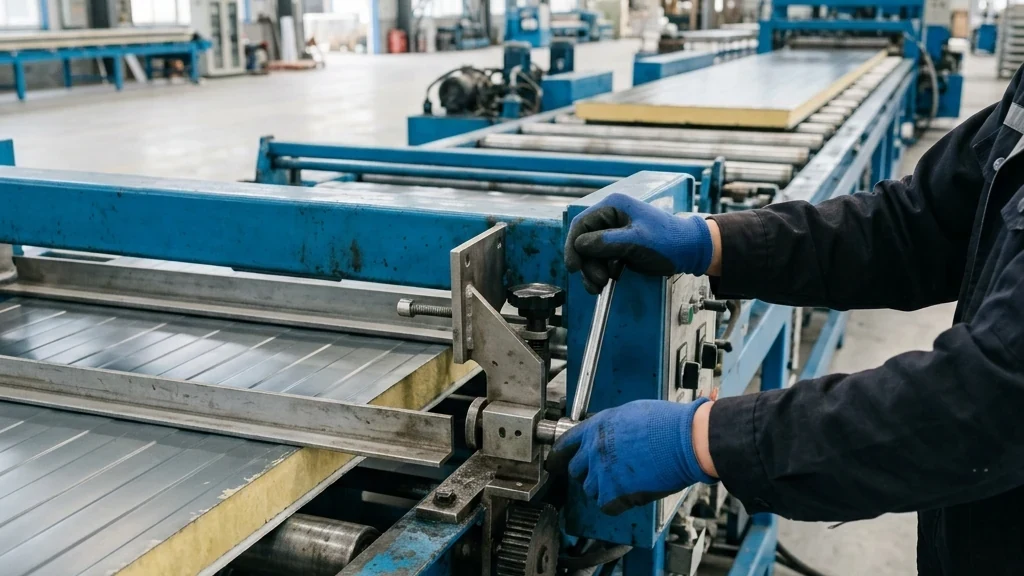
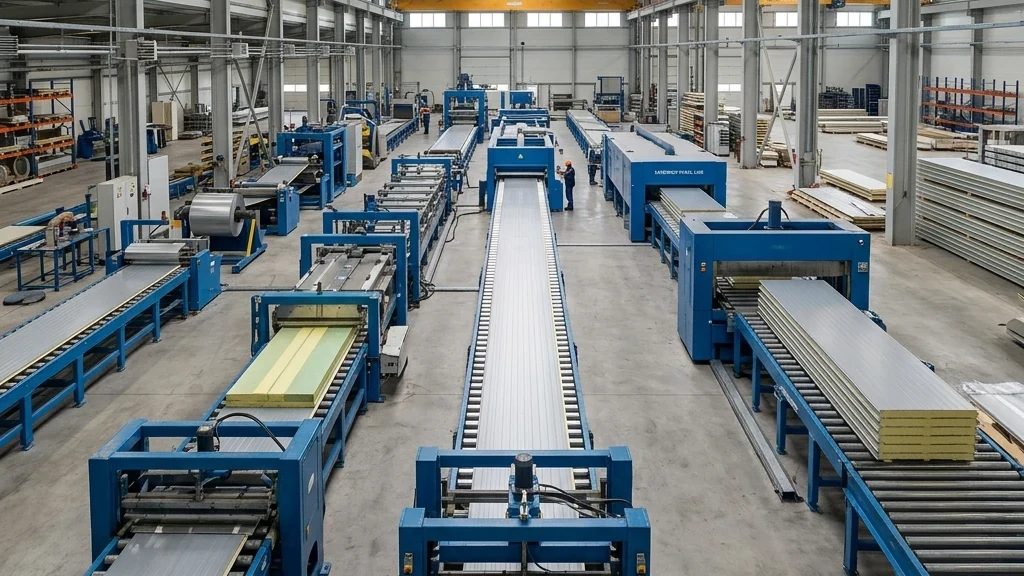
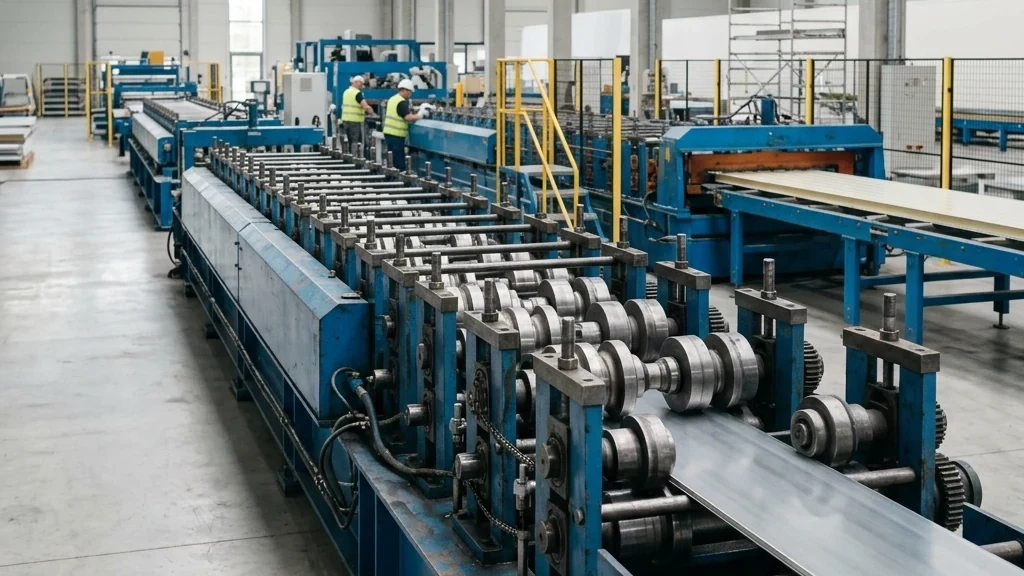
Kindus, which produces these boards alongside its sandwich panels, also manufactures the foaming systems used to make PU and PIR products. That combination of production experience and machinery engineering is visible in how density and thickness are held consistent from batch to batch.
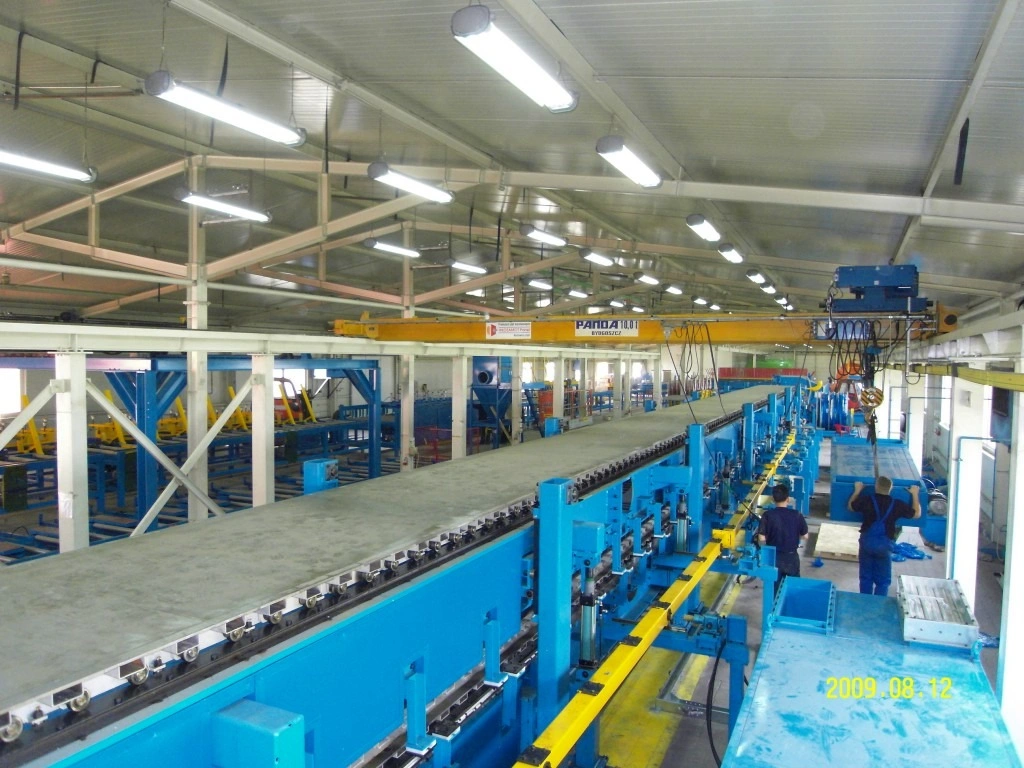
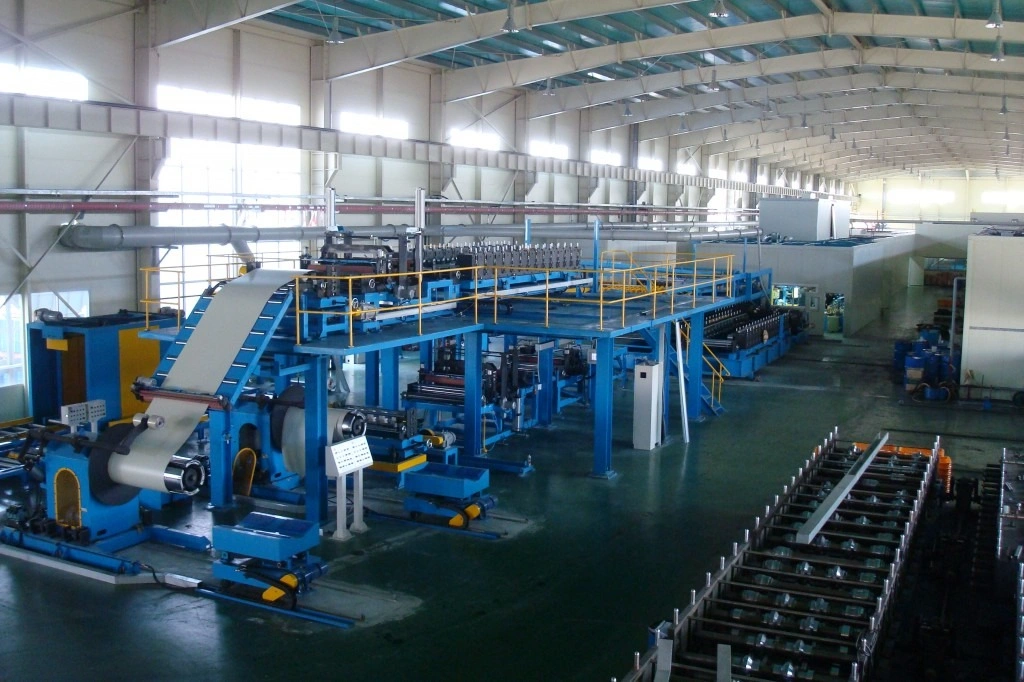
For readers interested in how foam density is controlled during production, PU Foam Density Control in Sandwich Panel Production: Targets, Metering & QC explains the metering and quality checks involved. The continuous line that produces PU and PIR panels at scale is described in Continuous PU Sandwich Panel Line: Configuration, Specs & Throughput.
Frequently Asked Questions
What does a faced insulation board mean?
A faced board has a protective sheet bonded to both surfaces. The facing improves surface strength and makes the board easier to handle and install on walls and ceilings. Grades II-A and III-A are faced, while I-A is pure foam.
What changed when KS M 3809 became KS M ISO 4898?
The new integrated standard tests more items, including long term thermal resistance, compression creep, water vapor permeability and emissions of substances such as formaldehyde and toluene, in addition to initial insulation performance.
How should rigid foam boards be stored on site?
Keep them wrapped, out of direct sunlight, and stacked flat on level ground. Long exposure to sun or moisture can discolor or deform the boards before installation.
To see the production equipment behind rigid PU and PIR products, check the line configuration and specifications at See the Continuous PU/PIR Line.