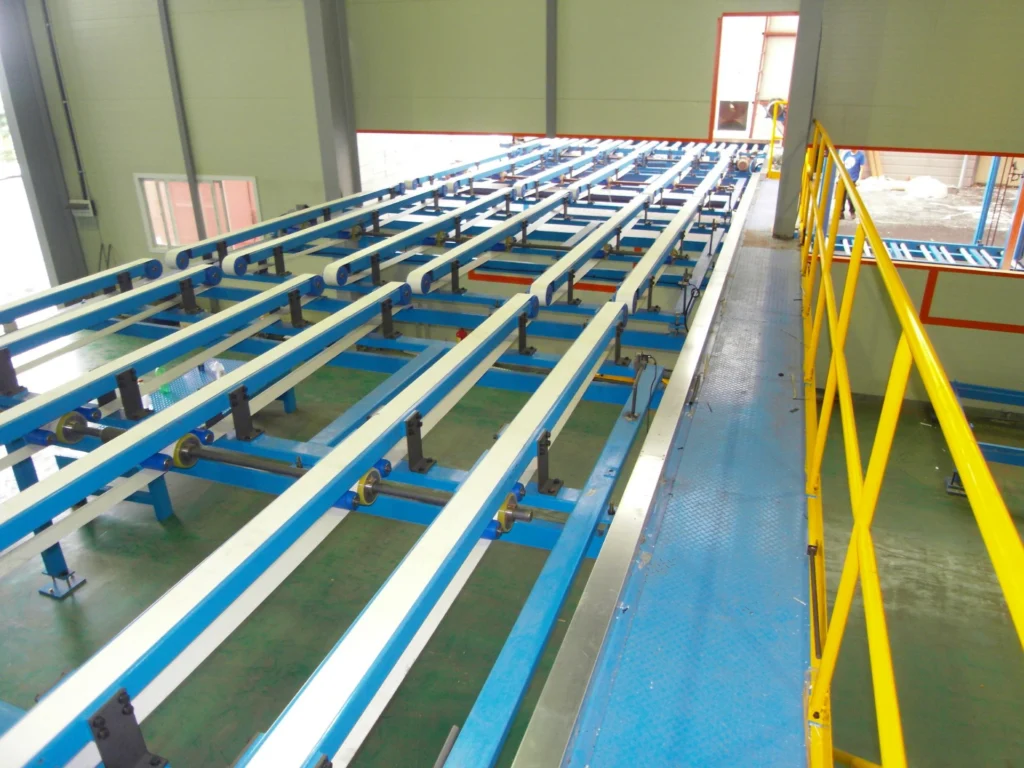
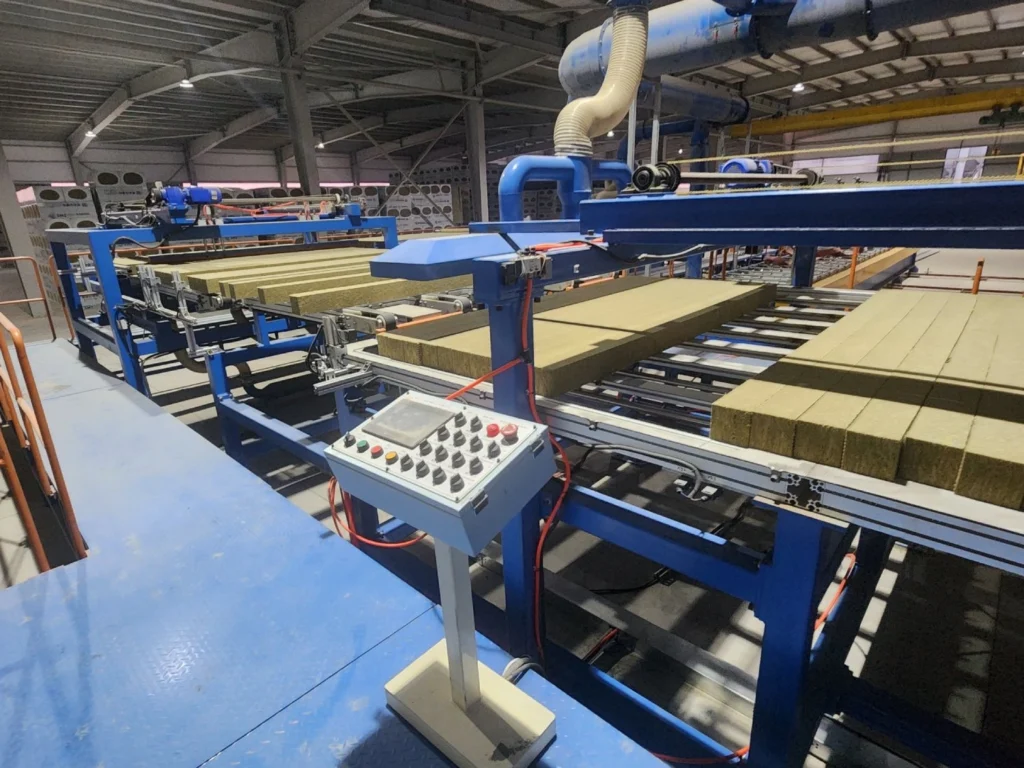
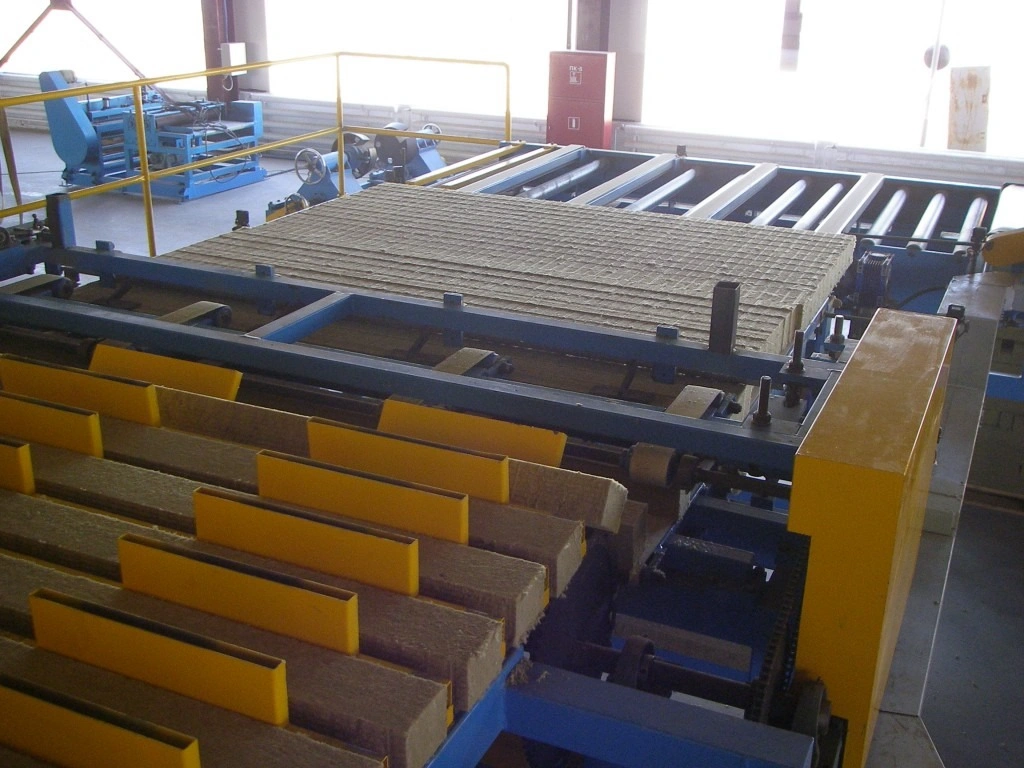
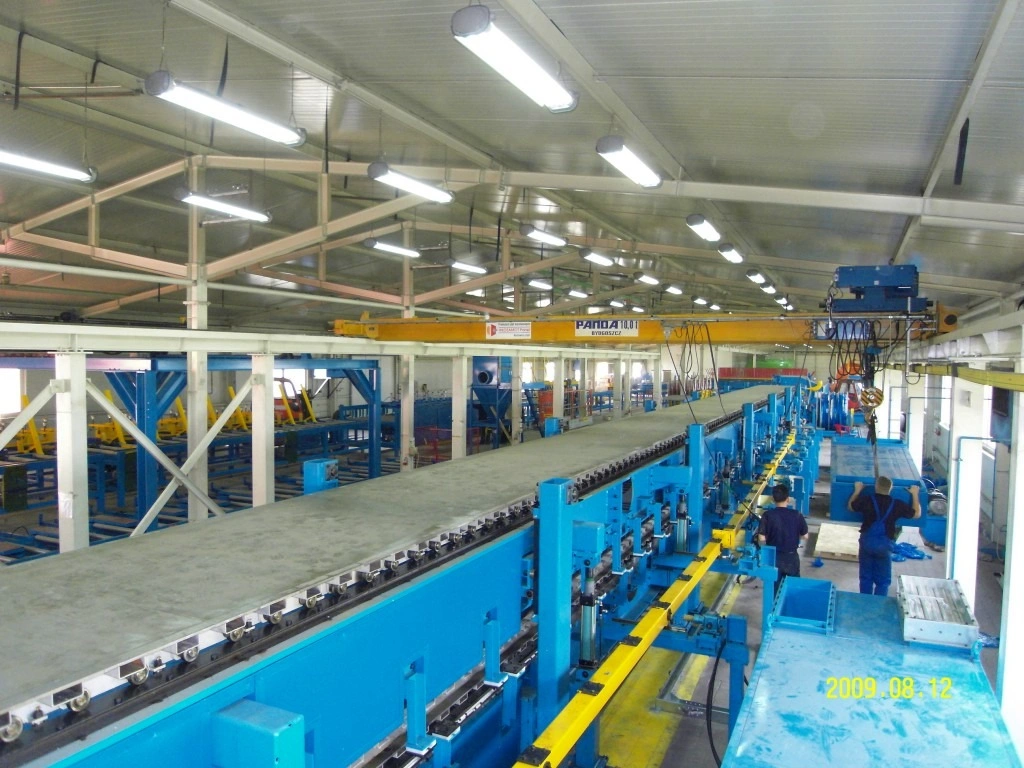
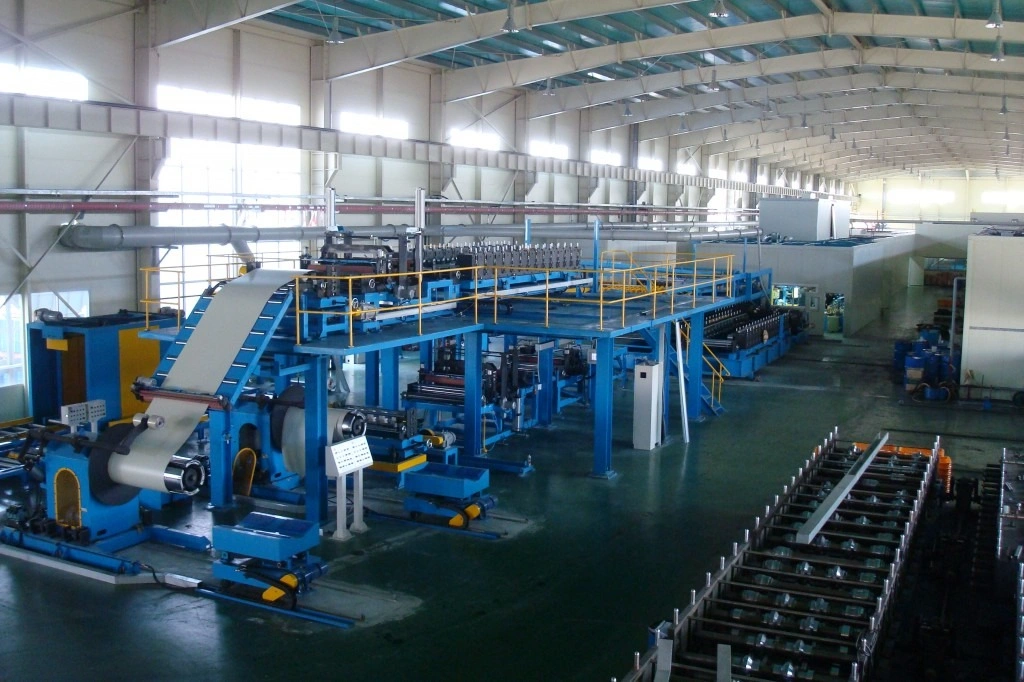
Starting a turnkey sandwich panel factory involves far more than buying a production line. The building layout, utility supply, equipment integration, commissioning, and operator training all have to come together before the first quality panel leaves the line. A turnkey solution is a way to hand this complexity to a single supplier who delivers the factory ready to produce, rather than leaving the buyer to coordinate many separate vendors. For manufacturers entering the market or expanding capacity, this approach reduces both risk and time to production.
In this article, we will look at what a turnkey sandwich panel factory solution includes, from planning through to production.

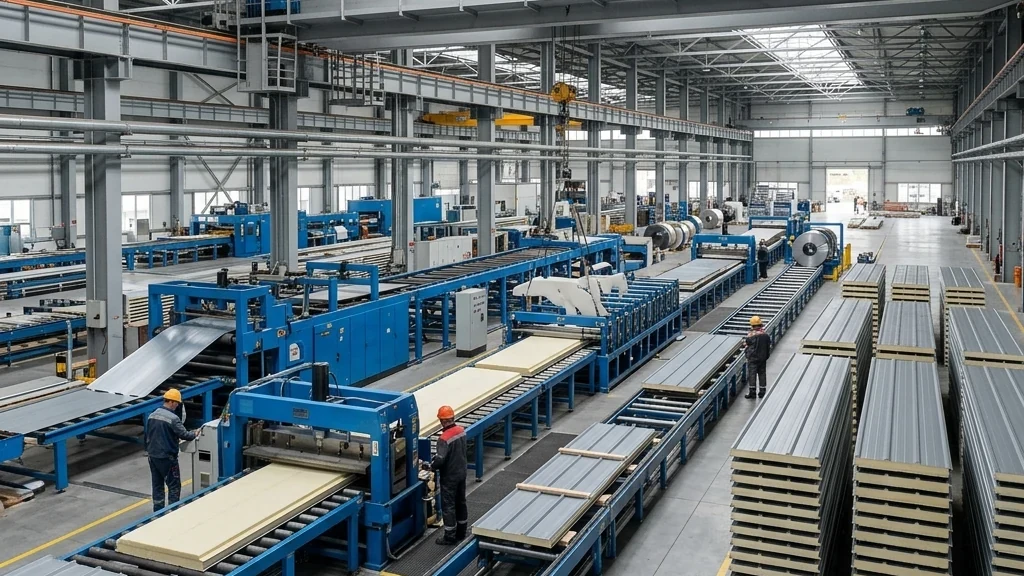
What a Turnkey Solution Includes
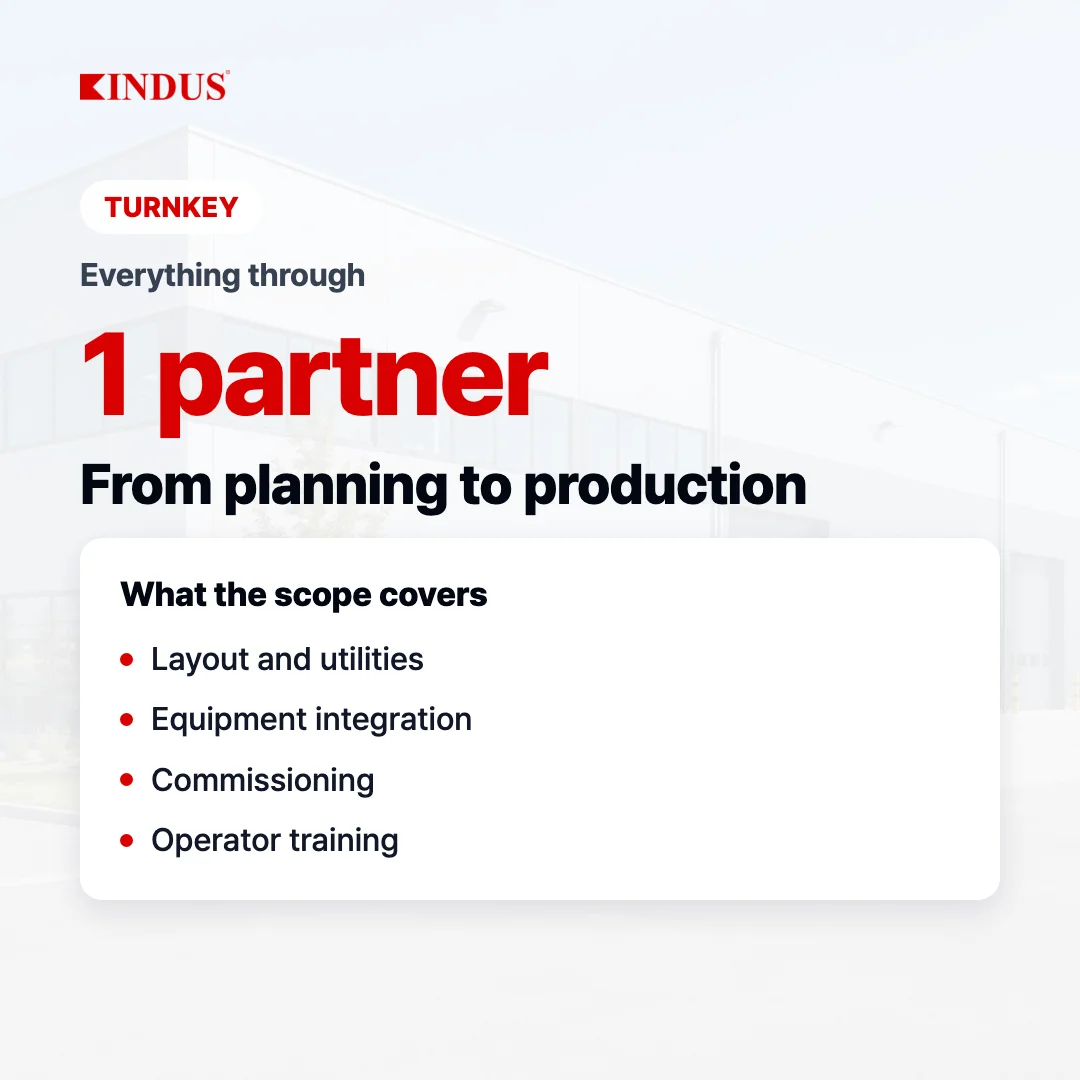
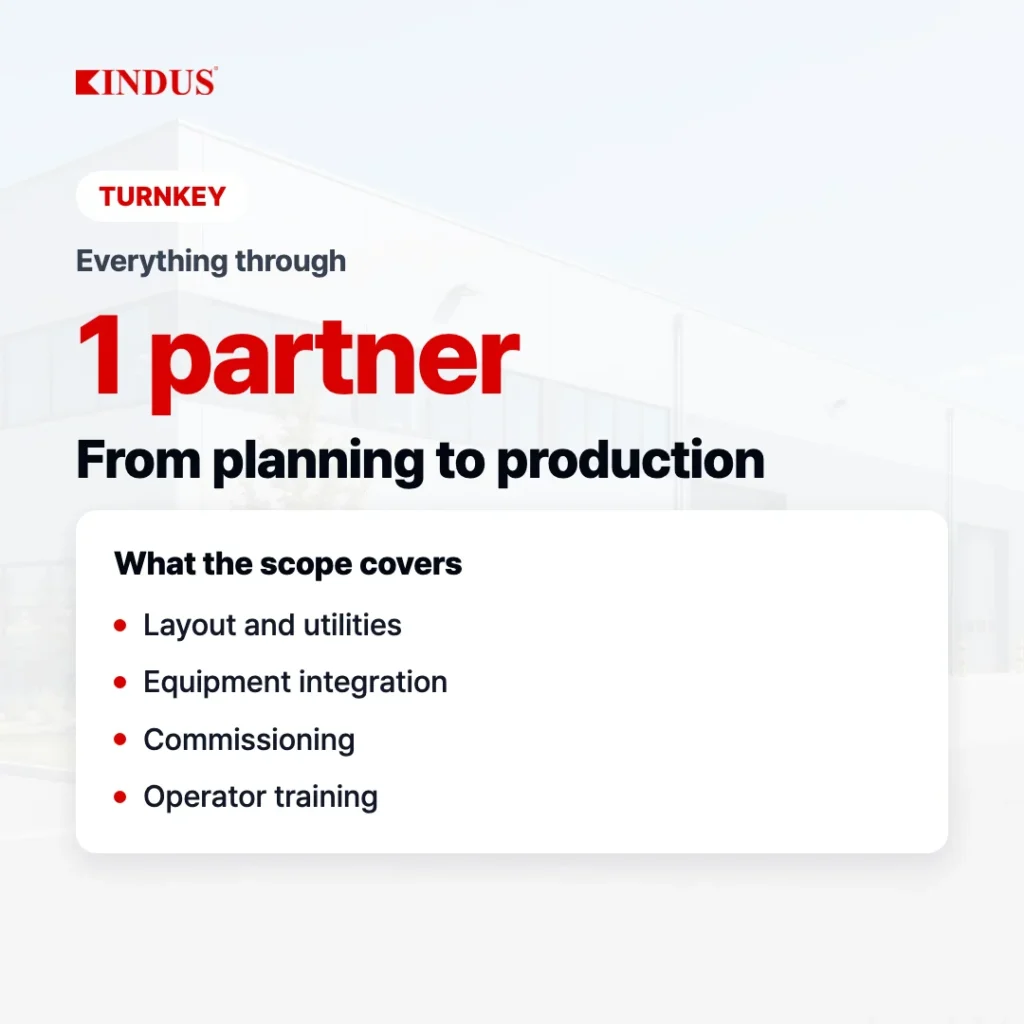
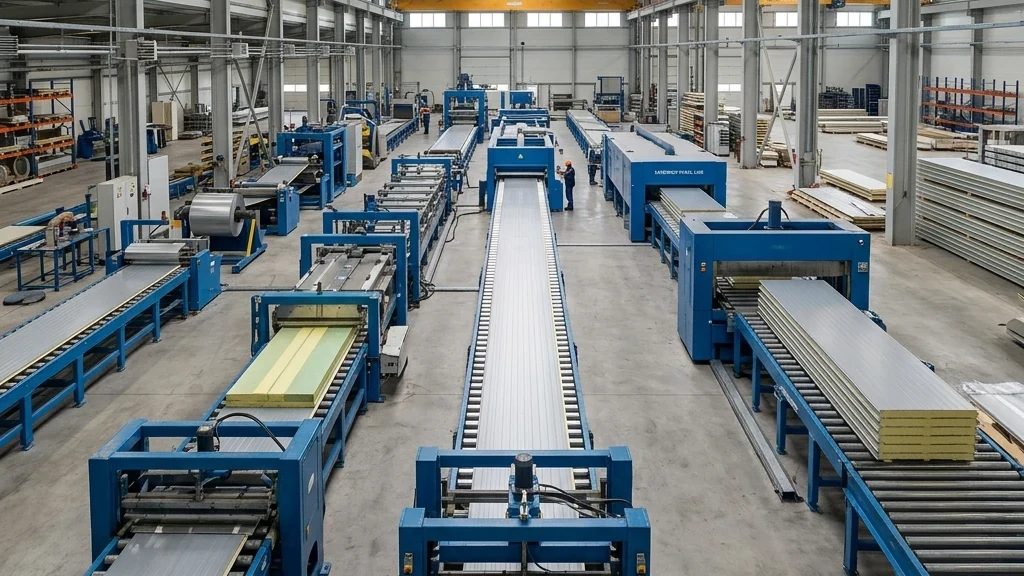
A turnkey solution is a complete factory delivery in which one supplier is responsible for the line and its integration up to the point of working production. A turnkey sandwich panel factory therefore reaches working production under a single contract. Instead of sourcing the press, roll formers, foaming system, and handling equipment separately and integrating them, the buyer receives a coordinated system.
The difference between a turnkey delivery and buying equipment piecemeal is responsibility. In a turnkey project, one supplier owns the interfaces between stations and the outcome of the whole line, so there is no gap where separately sourced equipment fails to work together. This is especially valuable for buyers without in-house line integration experience. The broader planning context is covered in How to Start a Sandwich Panel Factory: Step-by-Step Planning Guide.
Planning and Layout
- 1Planning & layoutFootprint, material flow and utilities defined
- 2Equipment integrationStations matched in speed and capacity
- 3CommissioningLine tuned and proven on trial panels
- 4TrainingOperators run and maintain independently
A turnkey project begins with planning the factory around the intended product and output. Before any equipment is built, the layout, material flow, and utility requirements are defined.
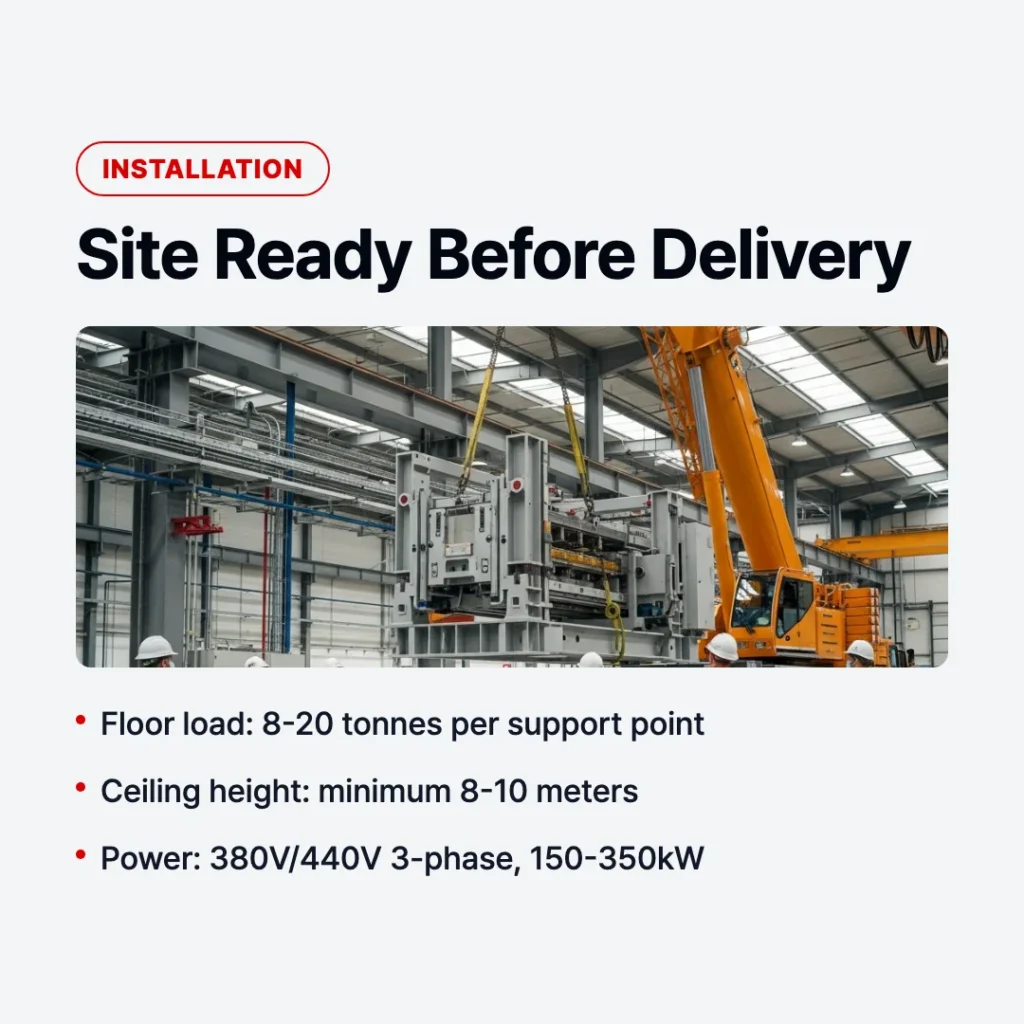
Planning covers the building footprint, the path of material from steel coils to finished panels, and the supply of power, and other utilities the line requires. A good layout minimizes material handling distance and leaves room for maintenance access and finished panel storage. Getting this right early prevents expensive rework later. The site and setup requirements for a line are detailed in Sandwich Panel Line Installation: Site Requirements & Setup Guide.
Equipment Integration
| Aspect | Piecemeal | Turnkey |
|---|---|---|
| Interfaces | Buyer coordinates | Supplier owns |
| Risk of gaps | High | Designed out |
| Responsibility | Split | Single partner |
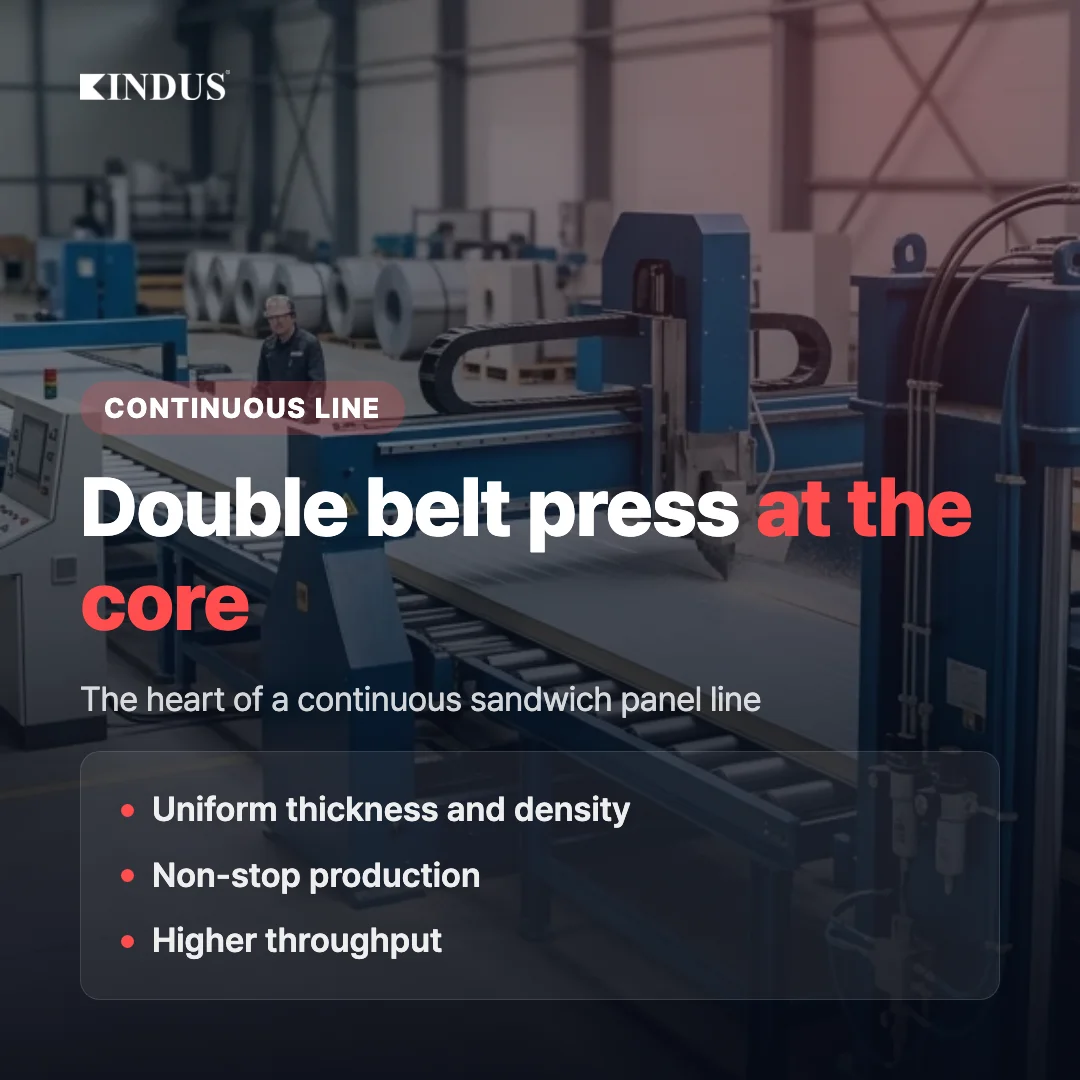
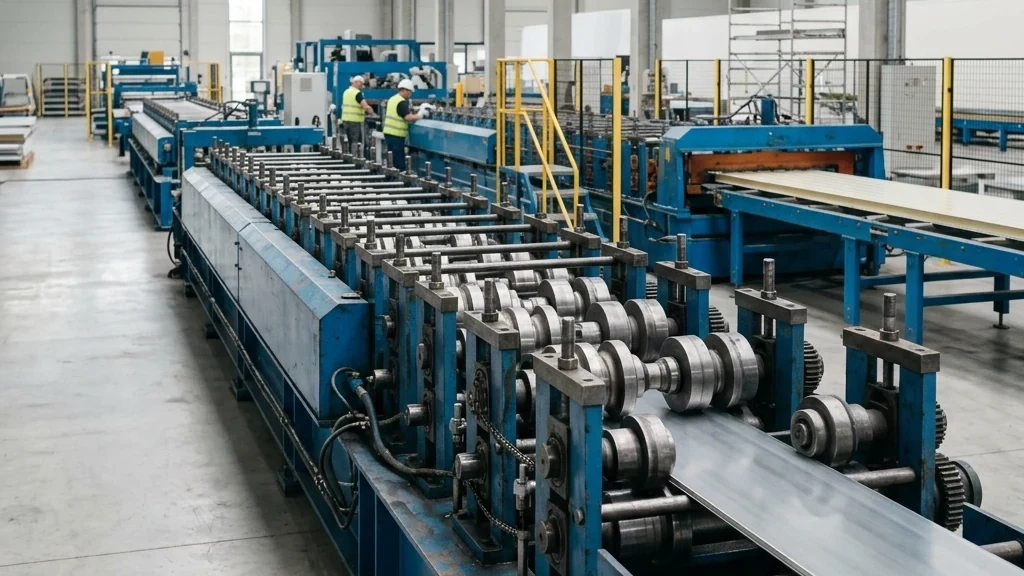
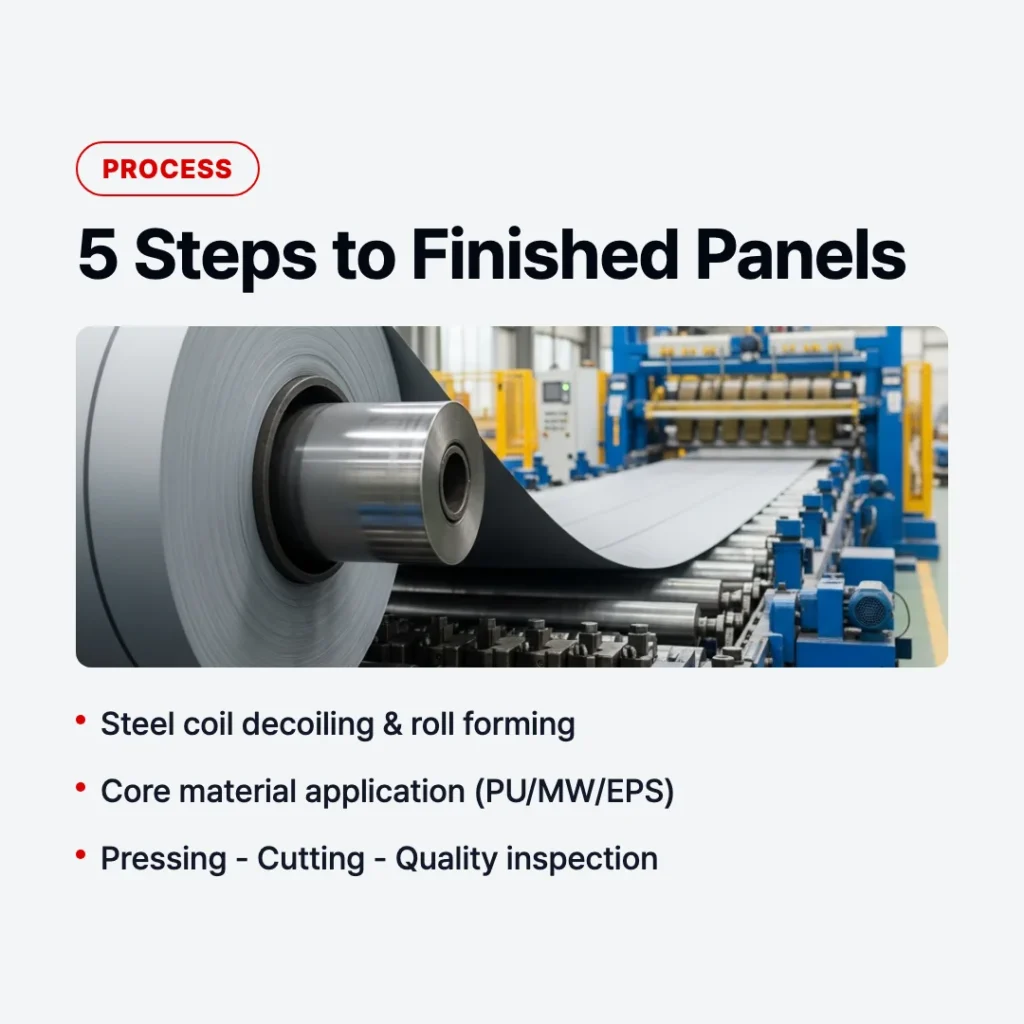
The core of a turnkey solution is integrating the line so that every station works as one system. Each section, from decoiling and roll forming through foaming, pressing, and cutting, must be matched in speed and capacity.
The main integration tasks are:
- Balancing station capacities so no single section limits the line
- Synchronizing controls so the line runs as a coordinated system
- Matching the foaming and press systems to the target chemistry and panel range
- Setting up handling and stacking to match line output
Because these sections interact, integrating them is where separately purchased equipment most often fails. A turnkey supplier designs the interfaces from the start, which is the main reason the finished line runs reliably at its intended speed.
Commissioning and Training
A factory is not finished when the equipment is installed. Commissioning is the stage where the line is run, adjusted, and proven to produce panels within specification. Only after commissioning is the factory genuinely ready to produce.
What happens during commissioning?
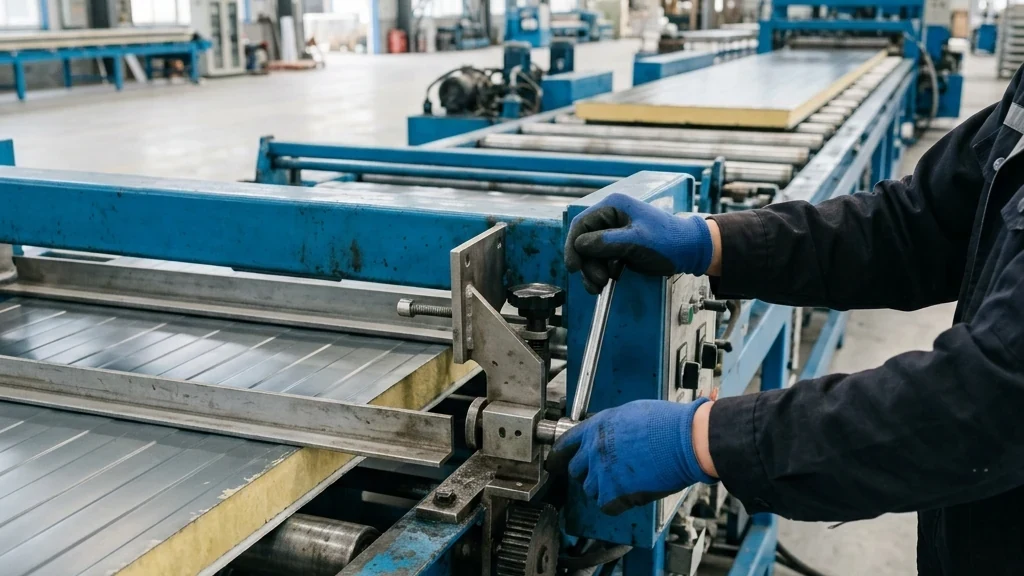
The line is started, process settings such as metering, temperature, and speed are tuned, and trial panels are produced and checked until output consistently meets quality targets.
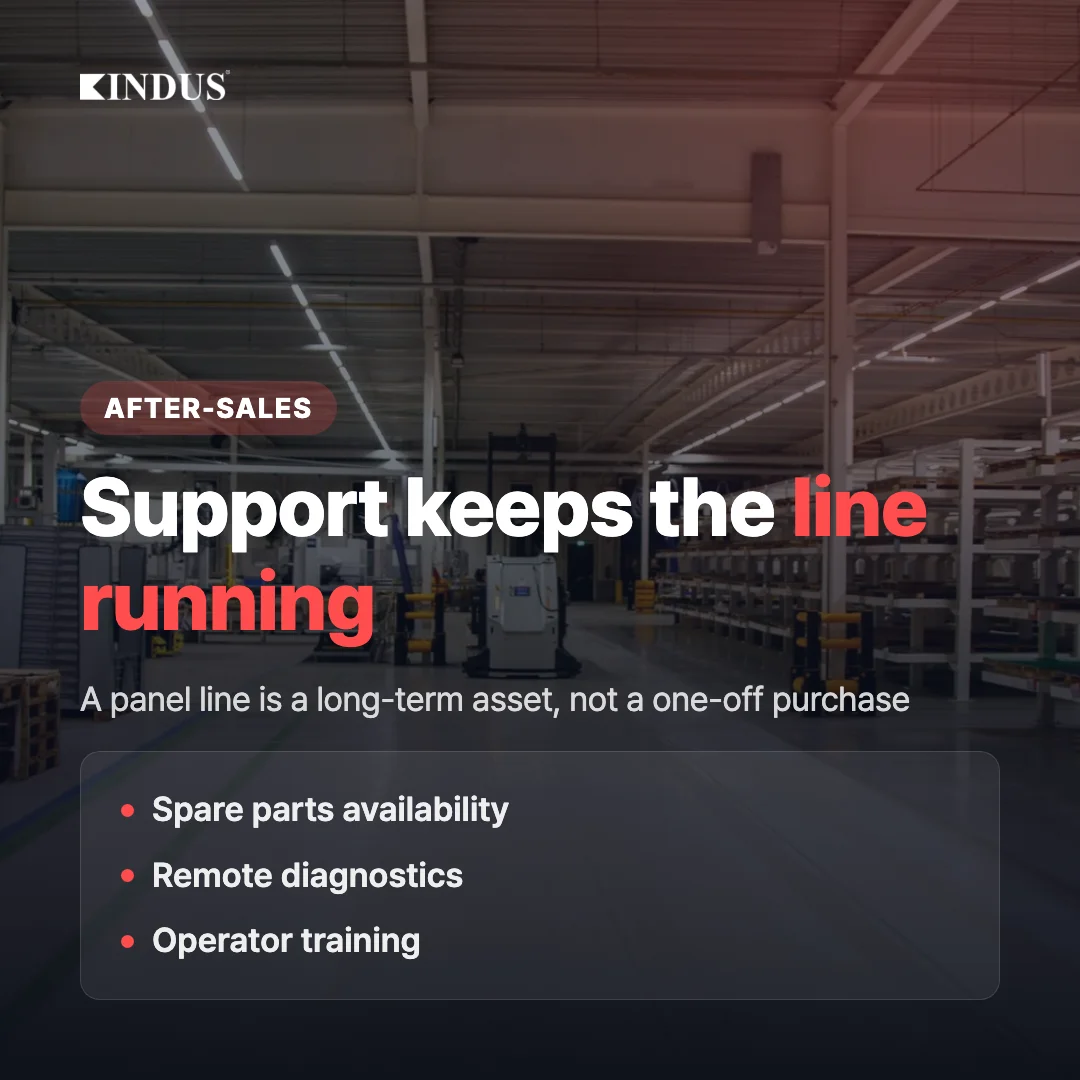
Training is part of this stage. Operators learn to run the line, adjust settings, and perform routine maintenance so that production continues smoothly after the supplier’s team leaves. A turnkey solution that includes commissioning and training hands over a factory that is producing, not just installed.
Kindus includes commissioning and operator training in its turnkey projects, so that the customer’s team can run the line independently once production begins.
Kindus Turnkey Sandwich Panel Factory Delivery
Kindus delivers turnkey sandwich panel factories, taking responsibility from planning and layout through equipment integration, commissioning, and training. Having completed turnkey projects in over 40 markets, Kindus coordinates the whole project so that the buyer works with a single partner rather than many vendors.
At Kindus, a turnkey project is planned around the customer’s product mix and output goals, and the line is proven in commissioning before handover. The aim is a factory that reaches stable, quality production as quickly as possible.
Frequently Asked Questions
What does turnkey mean for a sandwich panel factory?
It means one supplier delivers the factory ready to produce, taking responsibility for planning, equipment, integration, commissioning, and training, rather than the buyer coordinating separate vendors.
Why is integration the critical part?
Because the line’s sections interact, separately purchased equipment often fails to work together. A turnkey supplier designs the interfaces from the start, which is why the line runs reliably at its intended speed.
Is training included in a turnkey project?
In a complete turnkey delivery, yes. Commissioning and operator training ensure the customer’s team can run and maintain the line independently once production begins.
A turnkey solution turns the complexity of starting a factory into a single coordinated project. To discuss a turnkey sandwich panel factory for your product and output goals, get in touch.