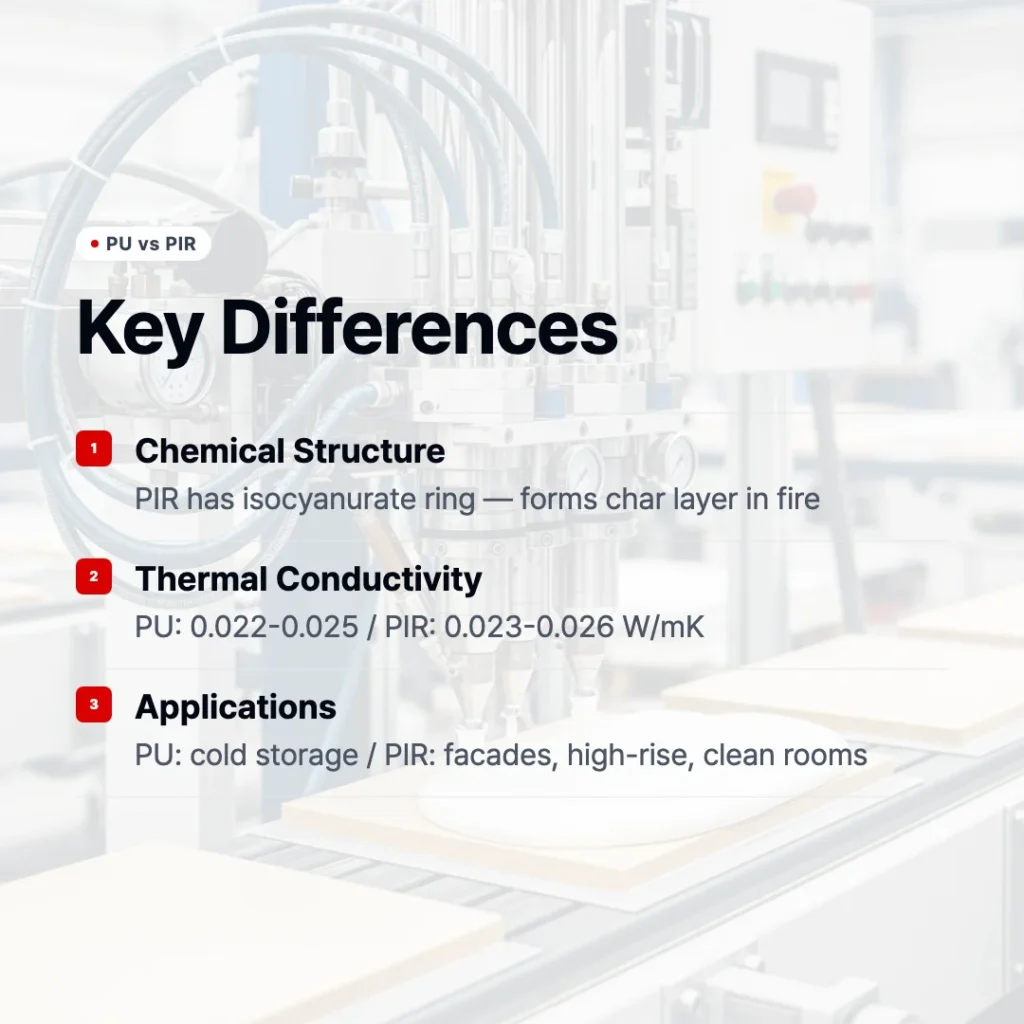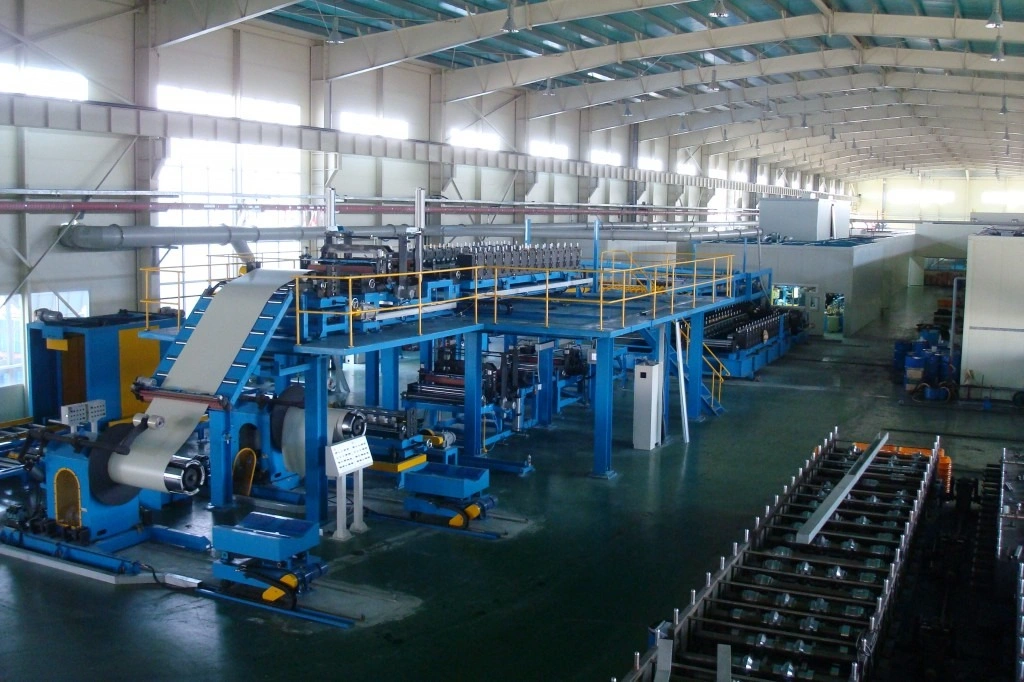
Sandwich panels serve as essential building materials across construction, cold storage, clean rooms, and many other industries. Producing these panels at scale requires a dedicated production line — and the type and specifications of that line directly determine product quality, production efficiency, and return on investment. In short, making the right choice can make or break your project. This guide covers everything from the definition of a sandwich panel production line to a comparison of line types, a specification checklist, and manufacturer selection criteria.
What Is a Sandwich Panel Production Line — Definition, Components, and How It Works
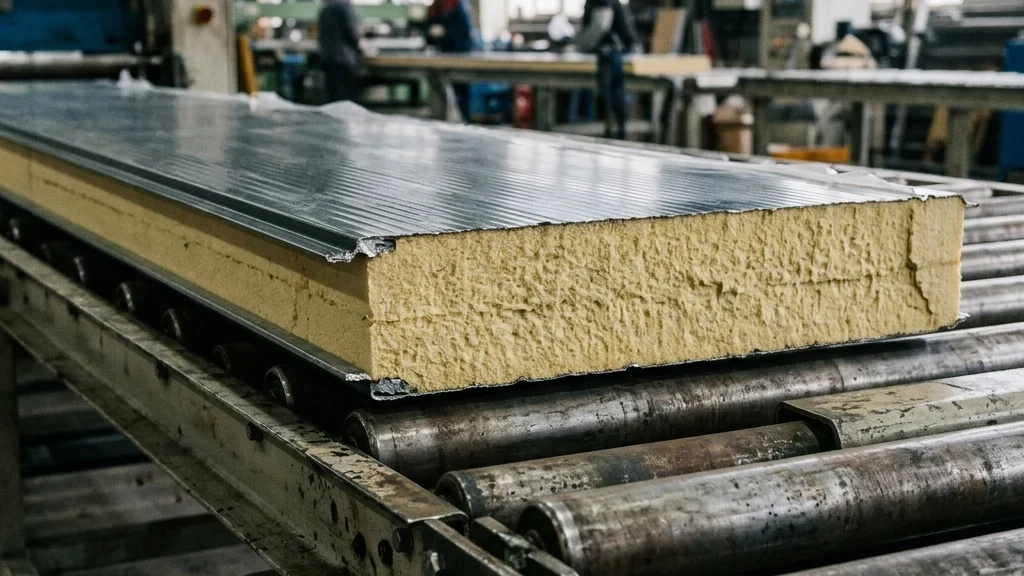
A sandwich panel production line is an integrated manufacturing system that produces composite panels by inserting insulation core material between two metal facings (steel or aluminum sheets) using either a continuous or discontinuous process.
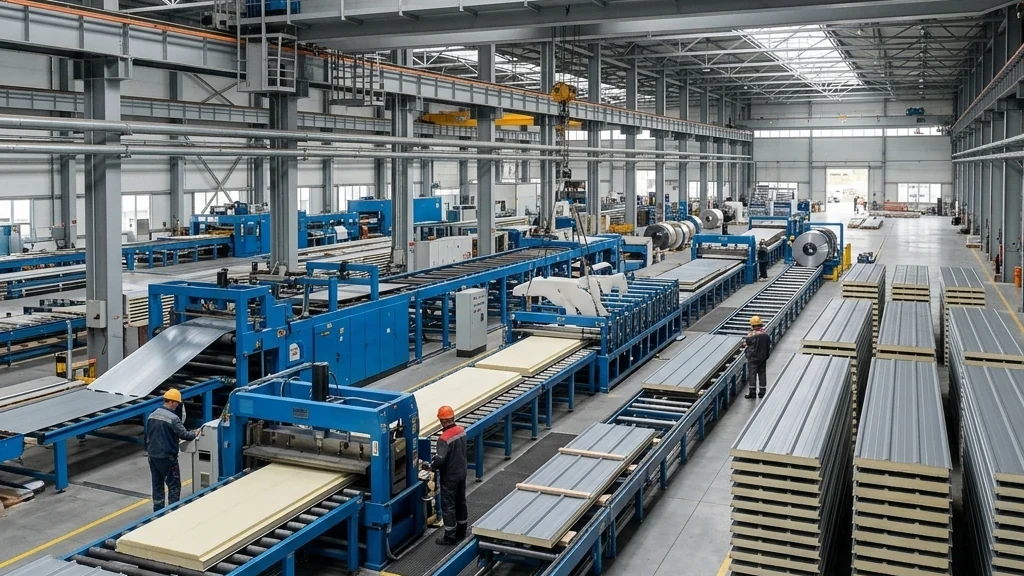
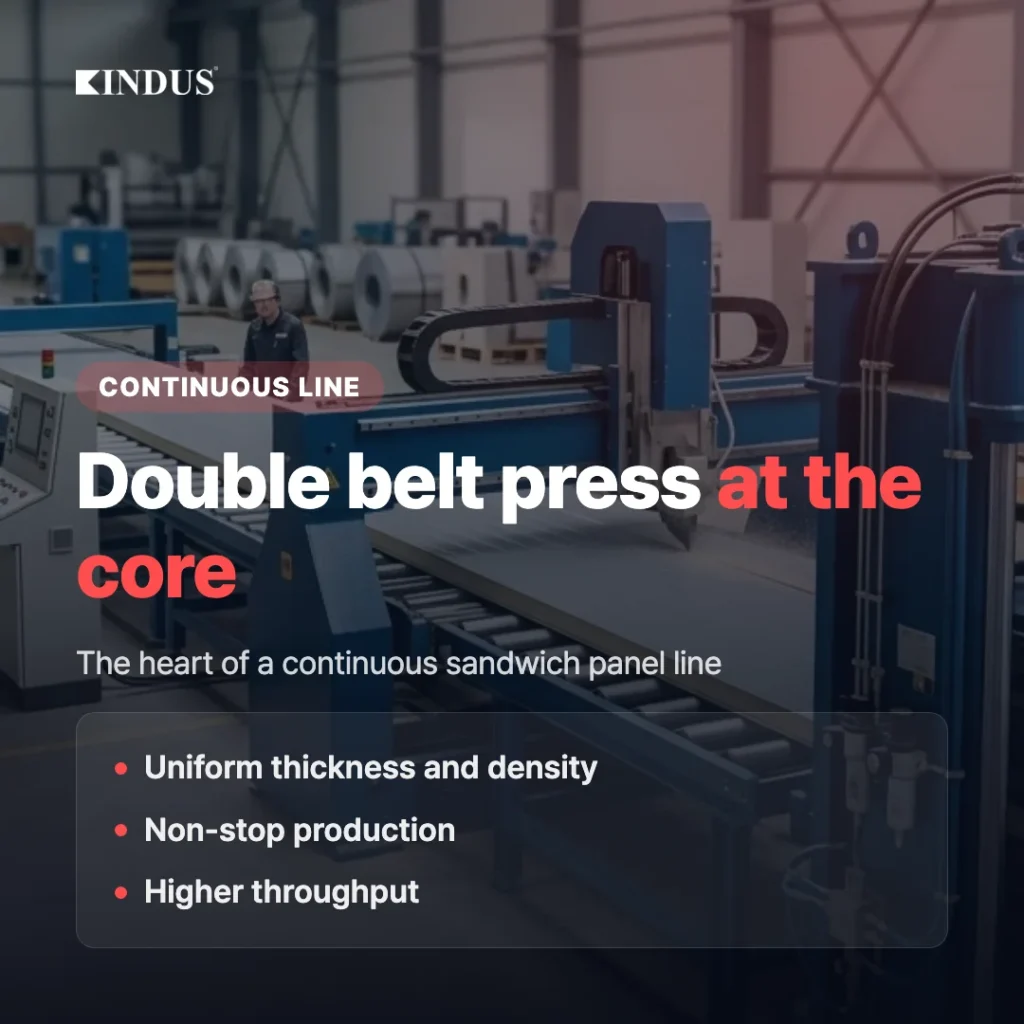
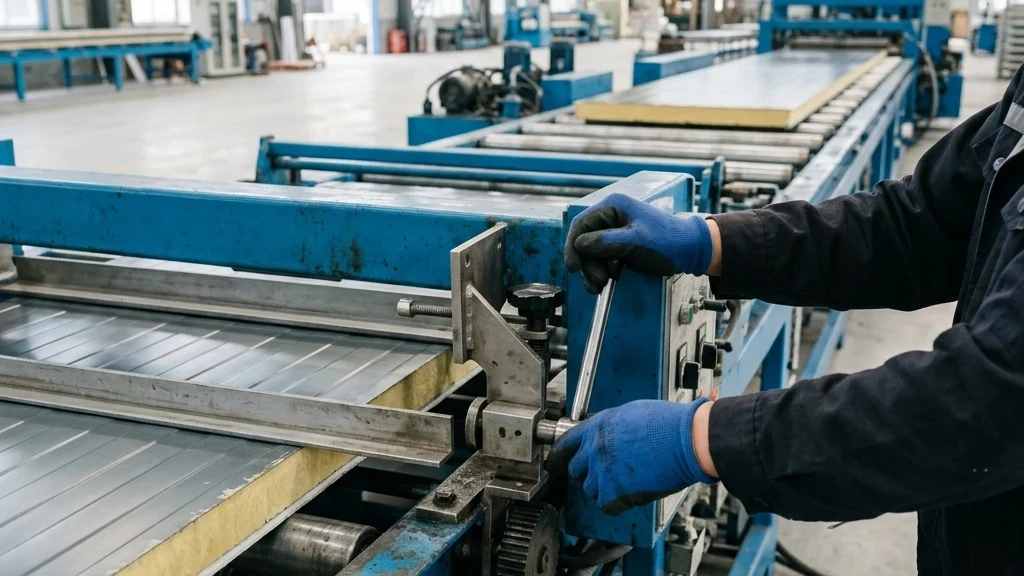
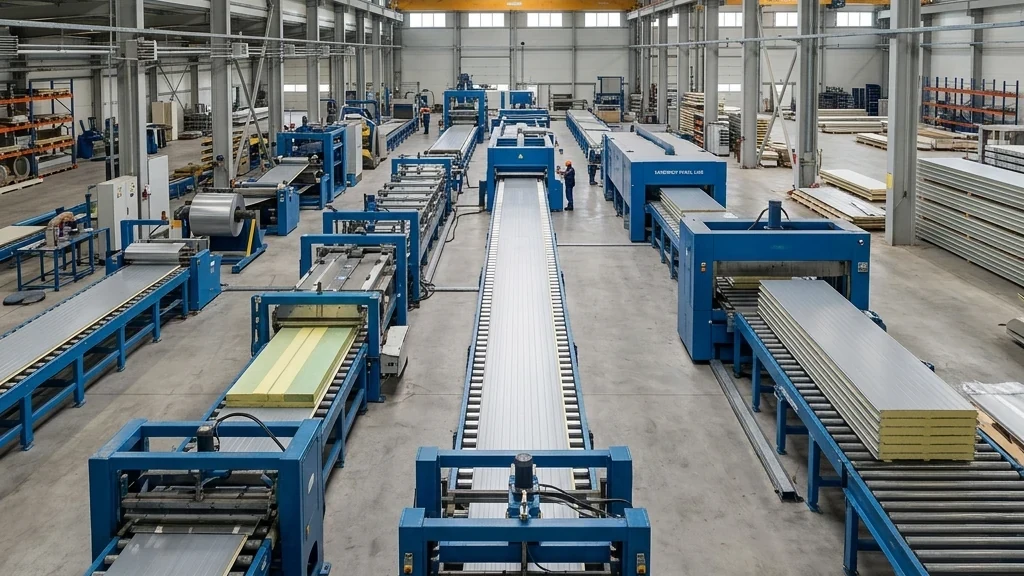
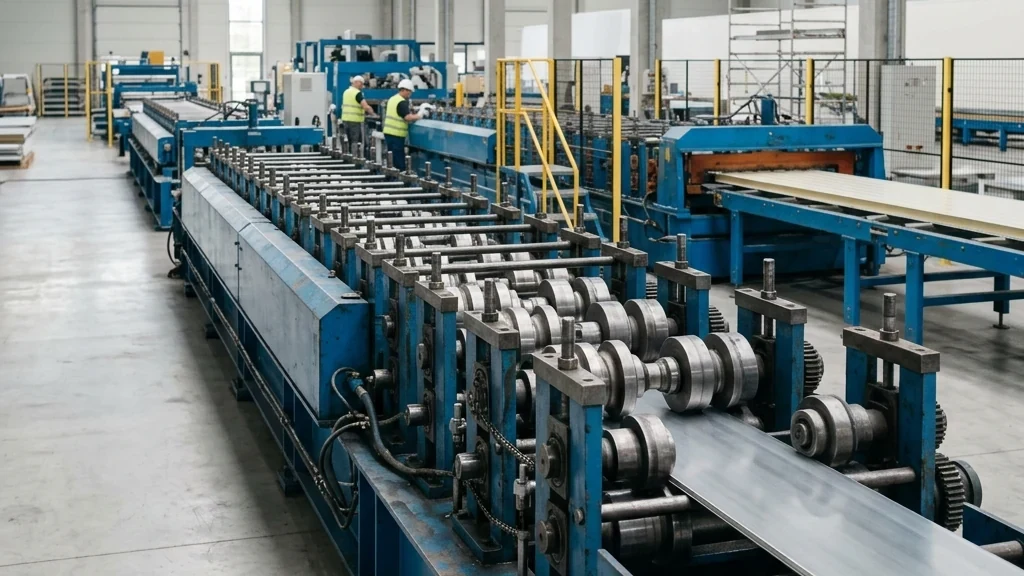
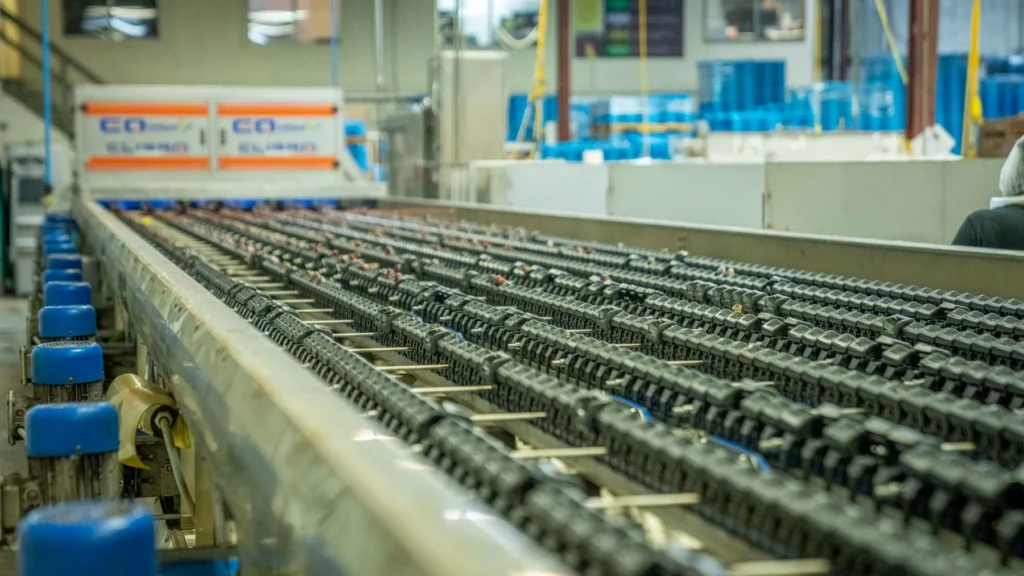
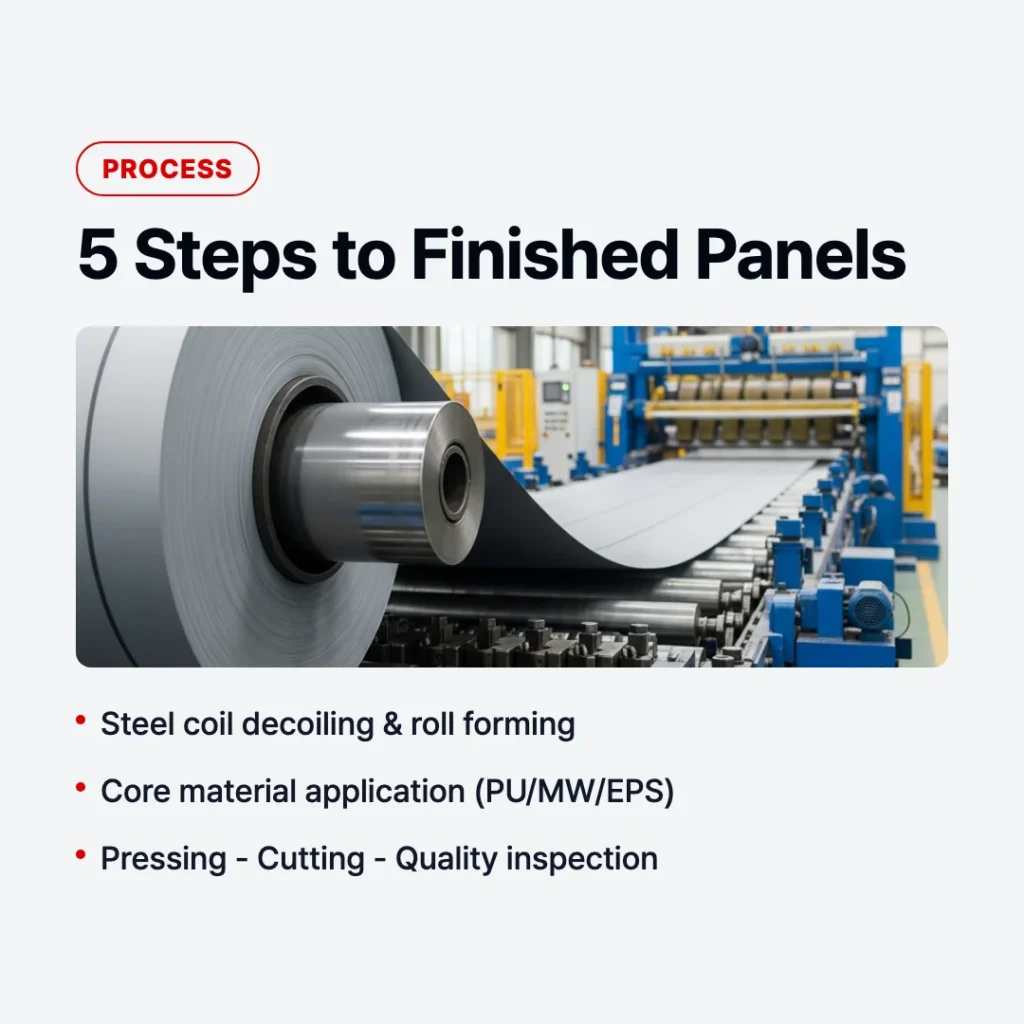
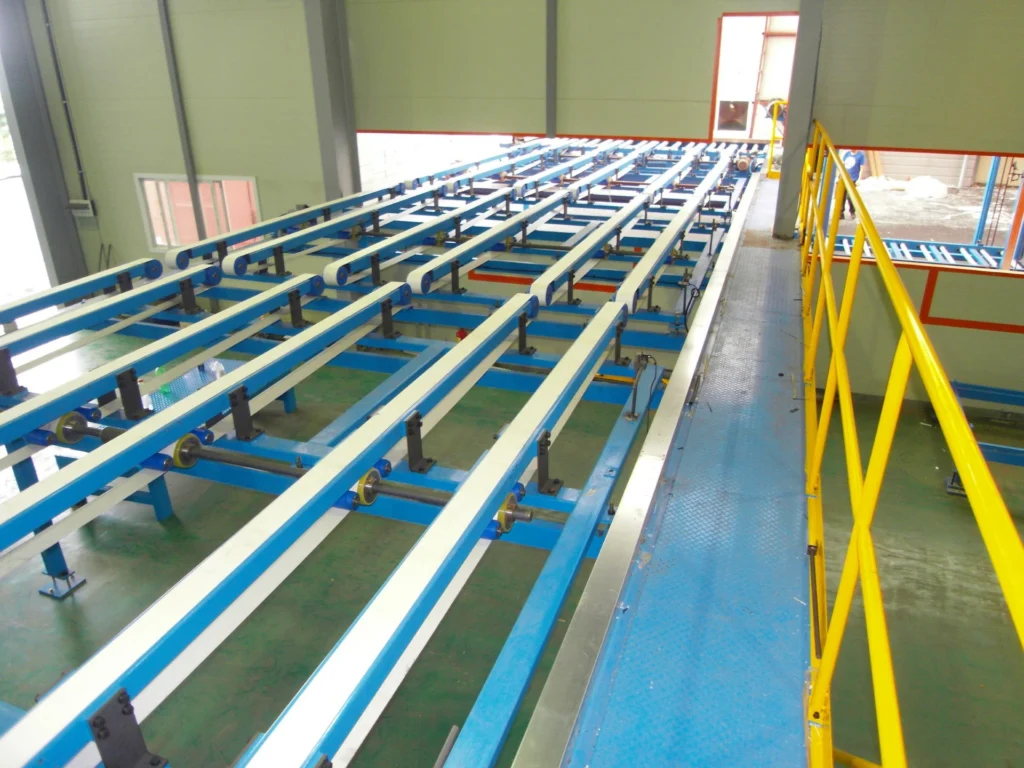
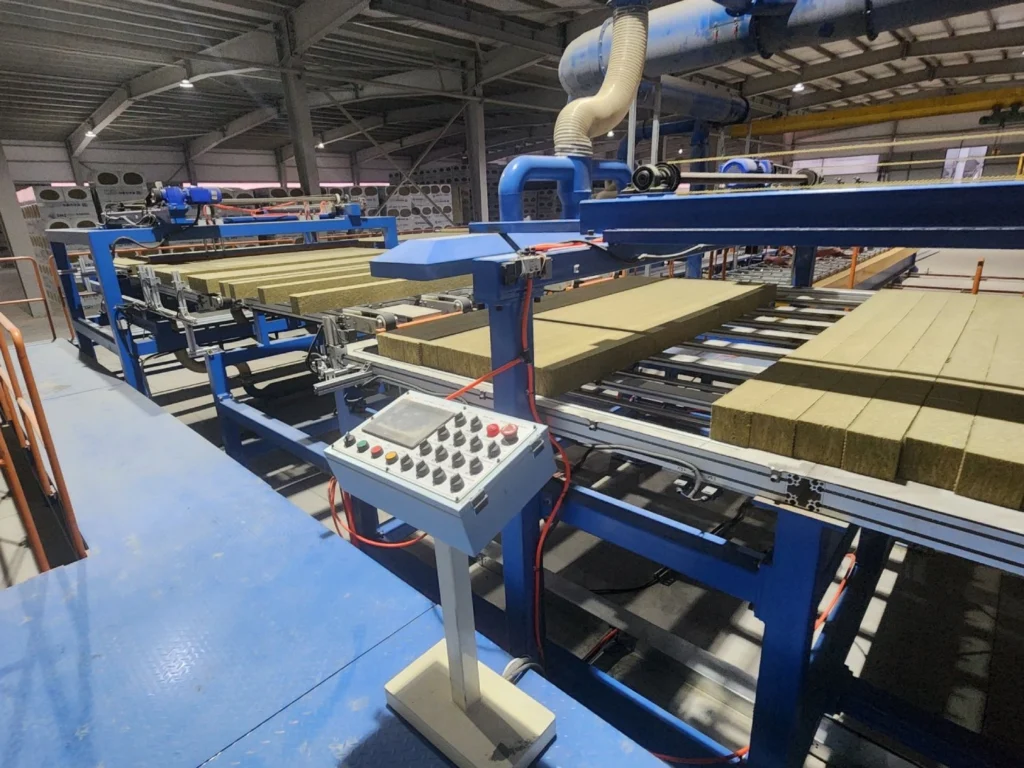
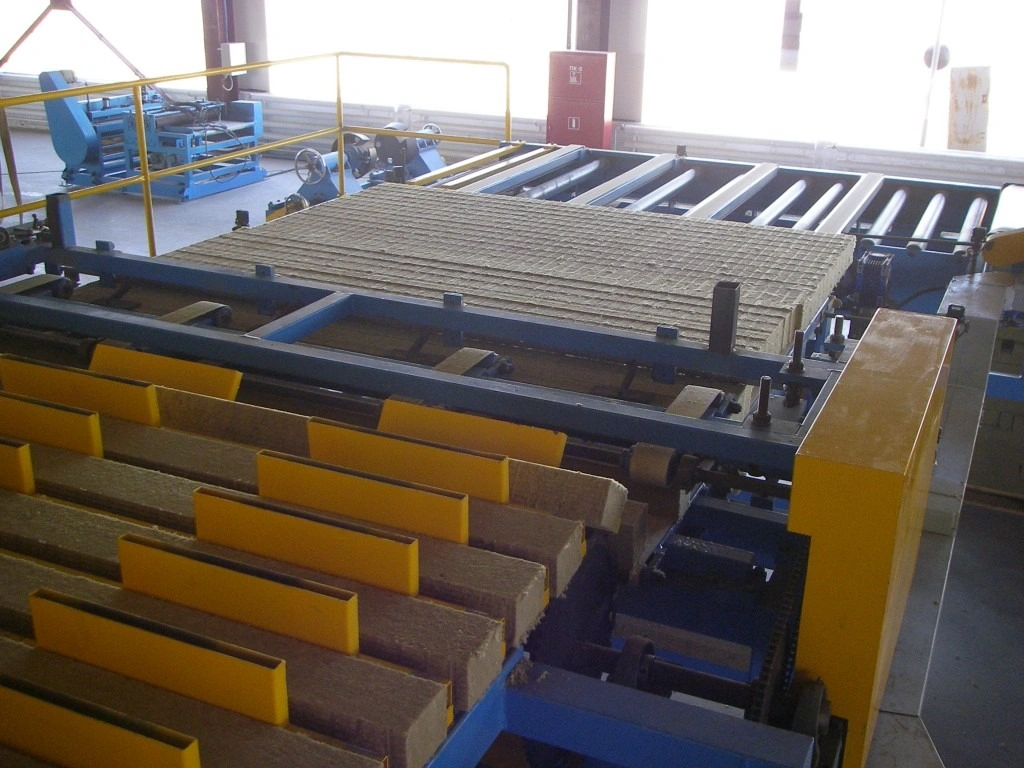
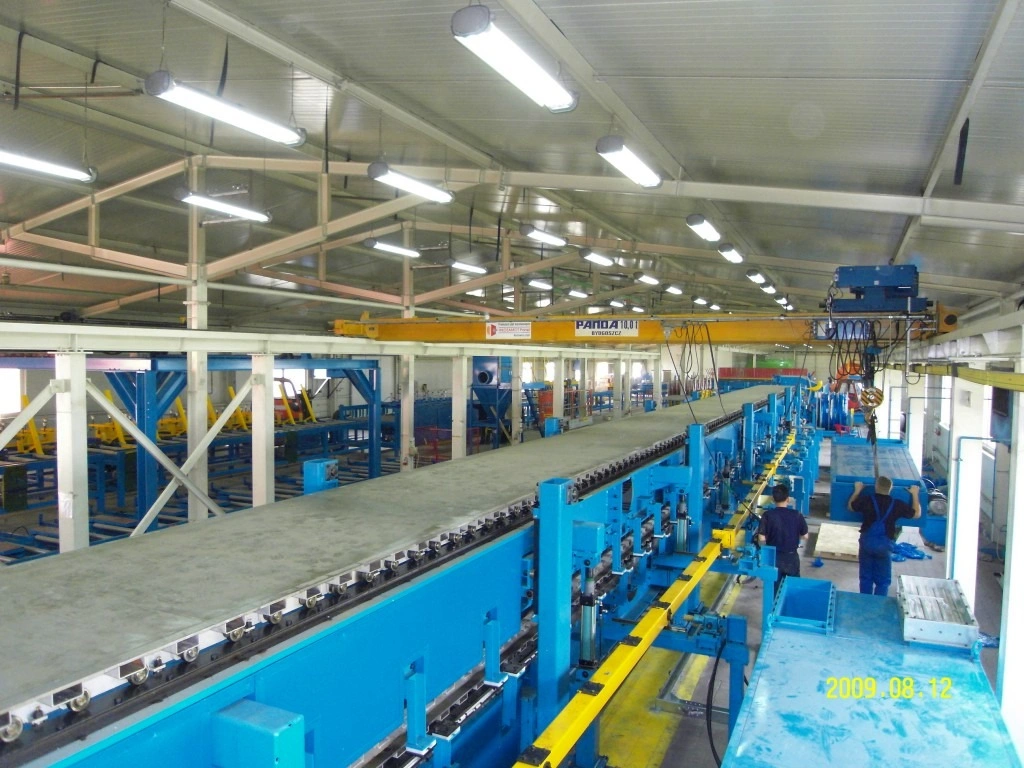
A typical production line consists of the following components. The decoiler unwinds coil steel, and the roll forming machine shapes the steel into the desired profile. Next, the core material feeding system introduces insulation — polyurethane (PU), polyisocyanurate (PIR), mineral wool, or EPS — between the facings. A laminating press or double-belt conveyor applies pressure and bonds the upper and lower facings with the core. The cutting system then trims the panel to the specified length, and finally, the stacking system automatically loads the finished panels.
In summary, the process flows as follows: coil unwinding, roll forming, core injection or layup, pressurized curing, length cutting, and automatic stacking. On a continuous line, all these processes run without interruption. On a discontinuous line, each process is performed at individual stations in a step-by-step sequence.
For a step-by-step technical breakdown of how each of these stages works on the line, see our detailed guide on the Sandwich Panel Manufacturing Process: Step-by-Step Technical Overview.
Comparing Line Types — Continuous, Discontinuous, Mineral Wool, and EPS
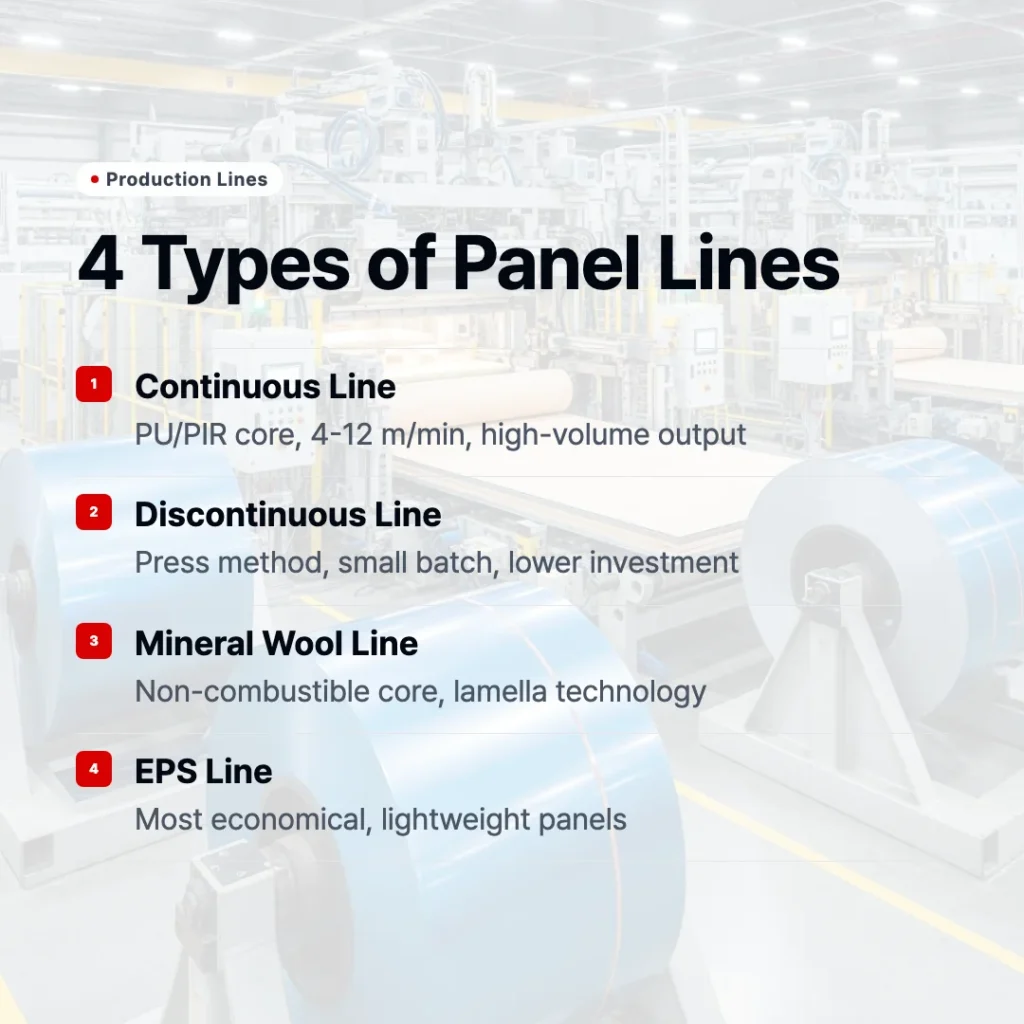
Production lines are broadly classified into four categories based on core material and production method.
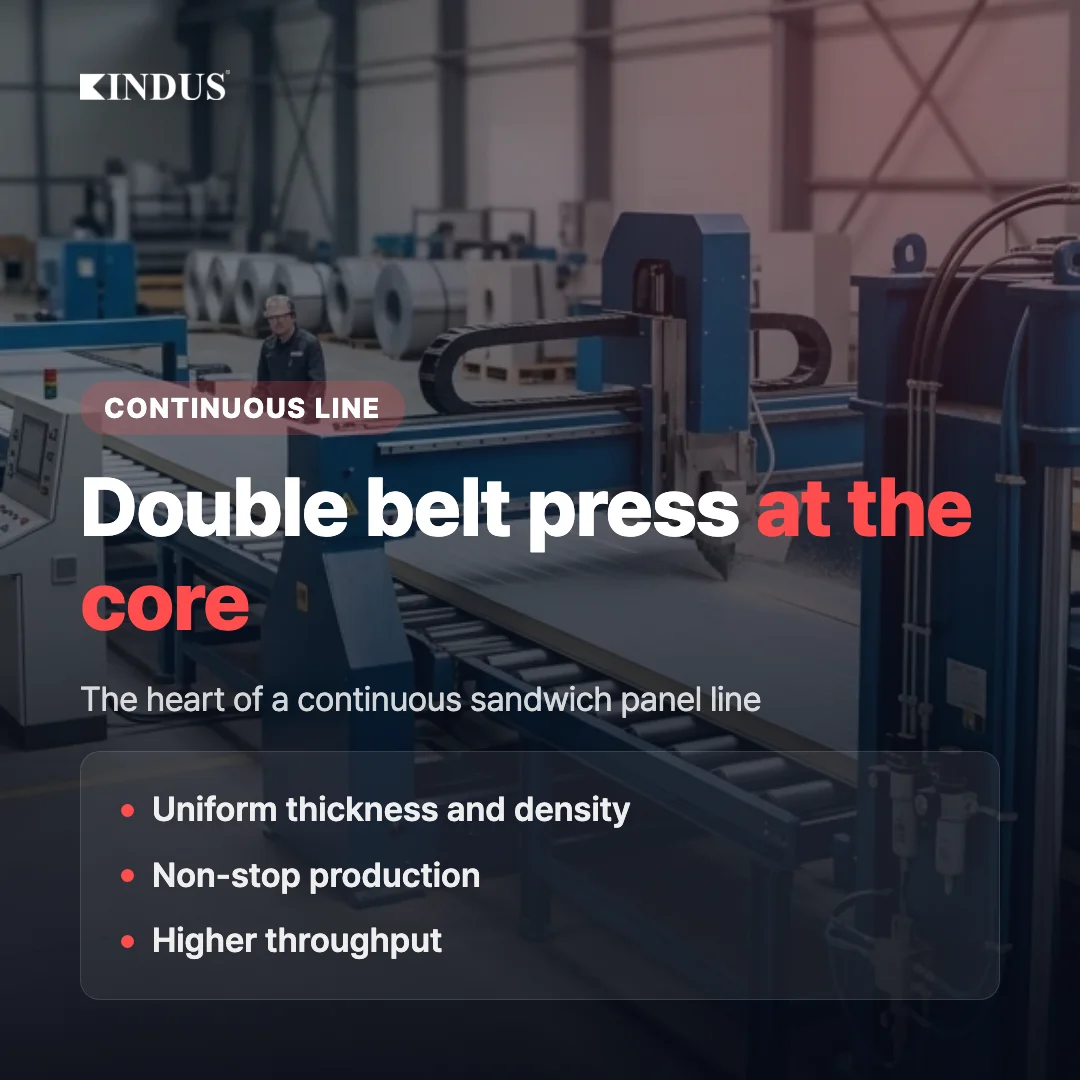
Continuous production lines use PU/PIR core materials, with foaming and curing occurring simultaneously on a double-belt conveyor. Line speeds reach 4 to 12 meters per minute, making them optimized for high-volume production. Panel thickness and length can be adjusted in real time, providing excellent flexibility. For a detailed look at continuous line technology and advantages, refer to the article “Continuous Sandwich Panel Line: Technology, Benefits & Applications.”
Discontinuous production lines manufacture panels one at a time using a press method. While production speed is lower than continuous lines, the initial investment is smaller and these lines can handle a wide variety of panel specifications in small batches. They are well suited for small-scale factories or specialty panel production.
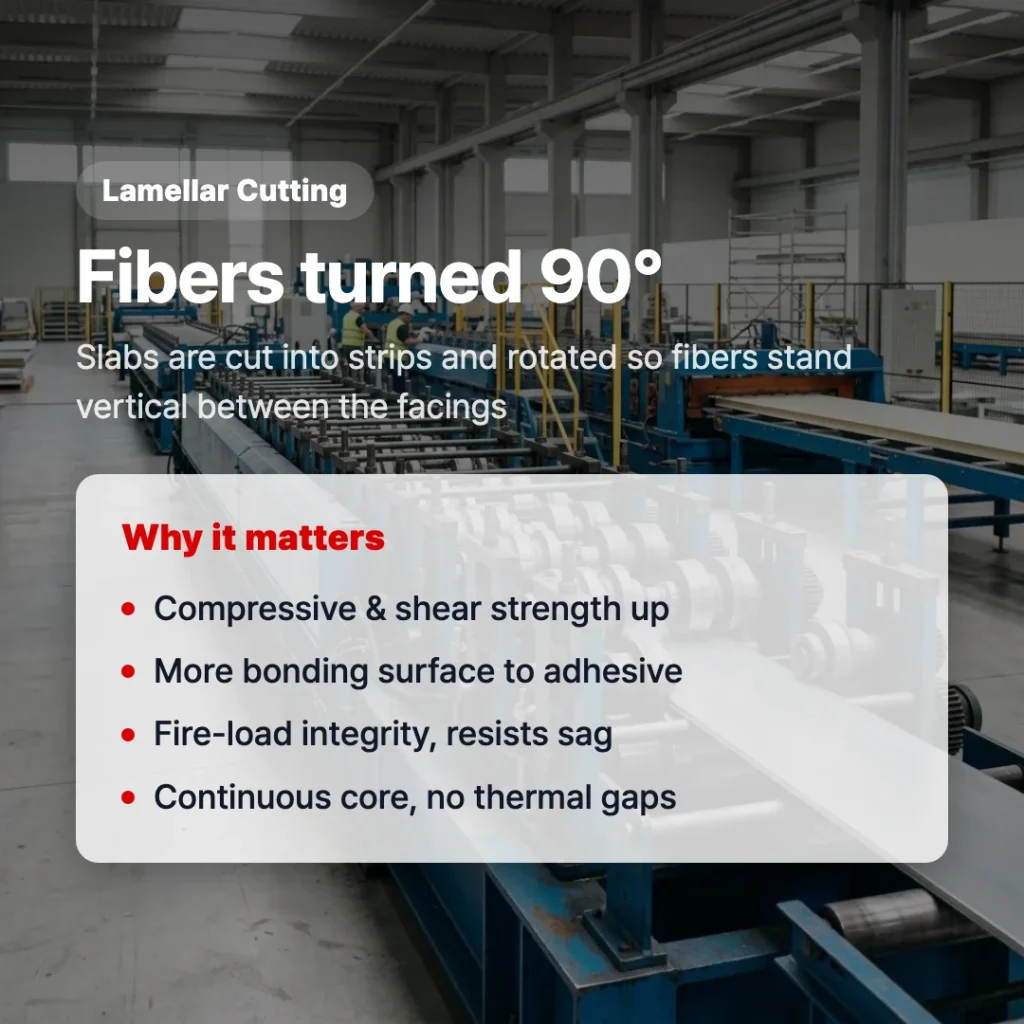
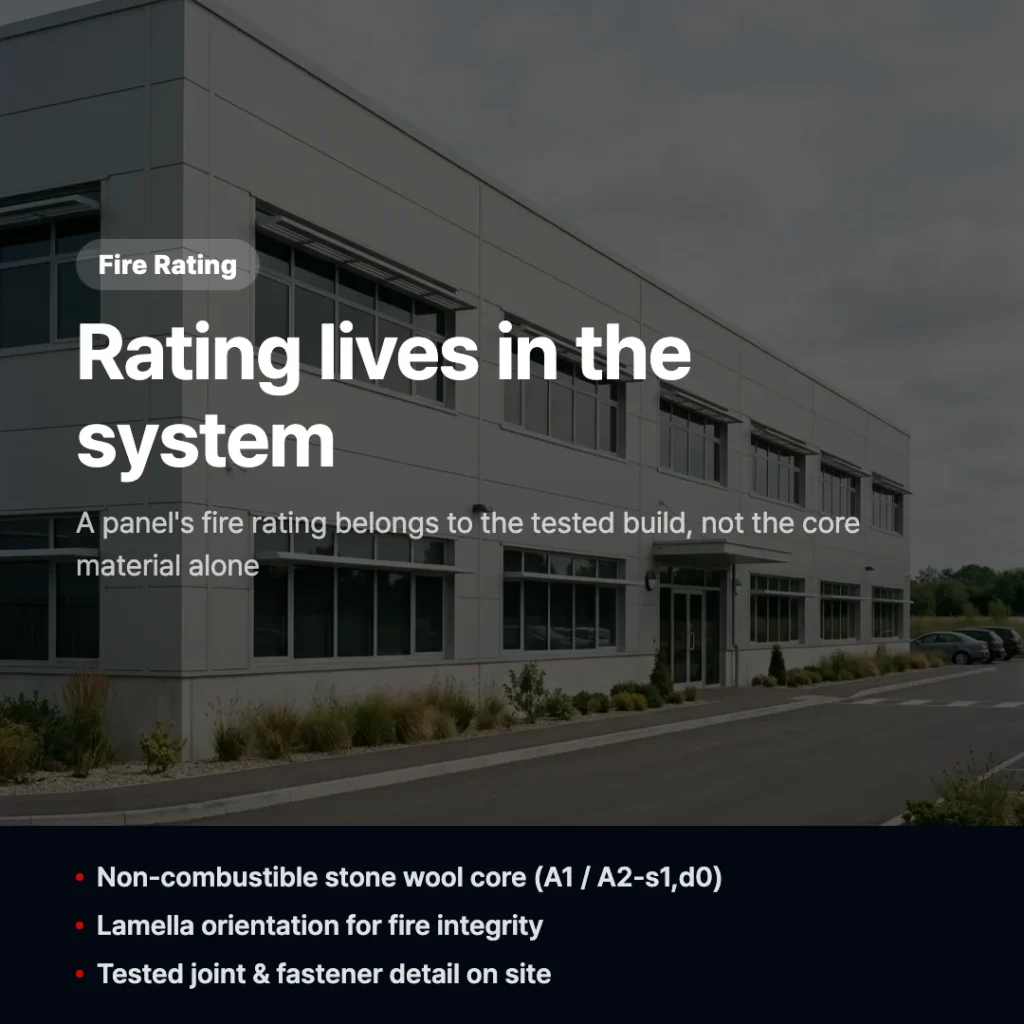
Mineral wool dedicated lines feature specialized equipment designed to handle non-combustible core materials. Lamella technology arranges the mineral wool fibers vertically, enhancing bonding strength and structural performance. These lines are essential for buildings that require fire-rated panels.
EPS (expanded polystyrene) production lines use the most economical core material and produce lightweight panels quickly. While thermal performance is lower compared to PU/PIR, the cost efficiency makes EPS panels widely used in temporary structures and lightweight buildings.
Selecting the right line requires a comprehensive evaluation of your target market, required fire ratings, production volume, and budget.
Specification Checklist — Line Speed, Panel Thickness, Width, and Automation Level
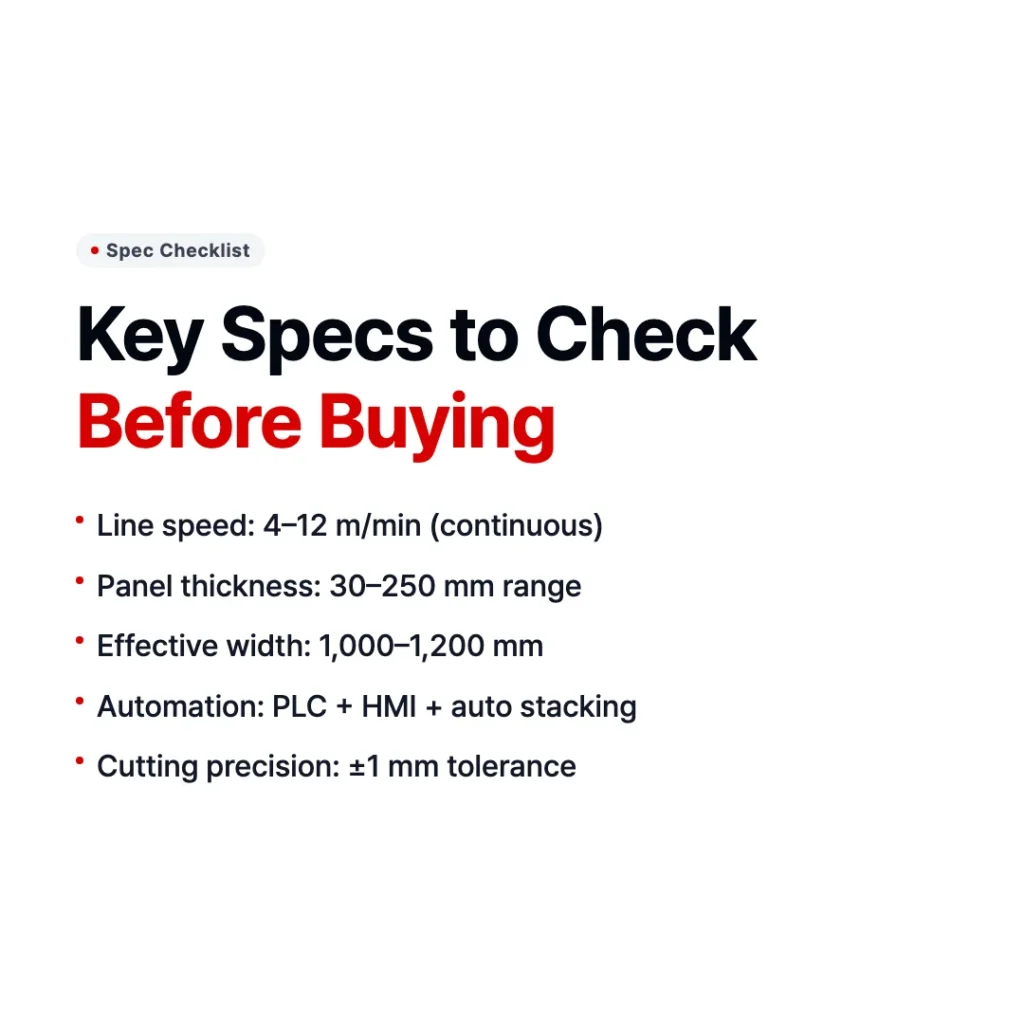
Here are the critical specifications to verify when investing in a production line.
Line speed determines profitability. Continuous PU/PIR lines produce 4 to 12 meters per minute, while discontinuous lines are measured in panels per cycle. You should calculate the required speed by working backward from your target annual output (in square meters).
Panel thickness range defines your product portfolio. Lines capable of producing panels from 30 mm to 250 mm offer the greatest versatility. If you are targeting the cold storage market, panels of 150 mm or more are required, so be sure to verify the upper thickness limit.
Effective width refers to the finished panel width, with 1,000 mm to 1,200 mm being the standard range. Specialty applications may require widths of 600 mm or 1,500 mm.
Automation level directly impacts labor costs and quality consistency. Lines equipped with PLC controls, HMI touchscreens, automatic thickness adjustment, automatic stacking, and real-time quality monitoring systems deliver superior long-term operational efficiency.
For technical details on PU/PIR foaming systems, mixing ratio control, and temperature management, see the article “PU/PIR Sandwich Panel Machine: Complete Technical Overview.”
Additional specifications to check include coil parameters (acceptable steel thickness of 0.3 to 0.8 mm, coil inner diameter, maximum coil weight), profile types (micro-rib, hidden joint, flat, etc.), and cutting precision (within plus or minus 1 mm).
Selection Criteria — Manufacturer, Certifications, and After-Sales Service
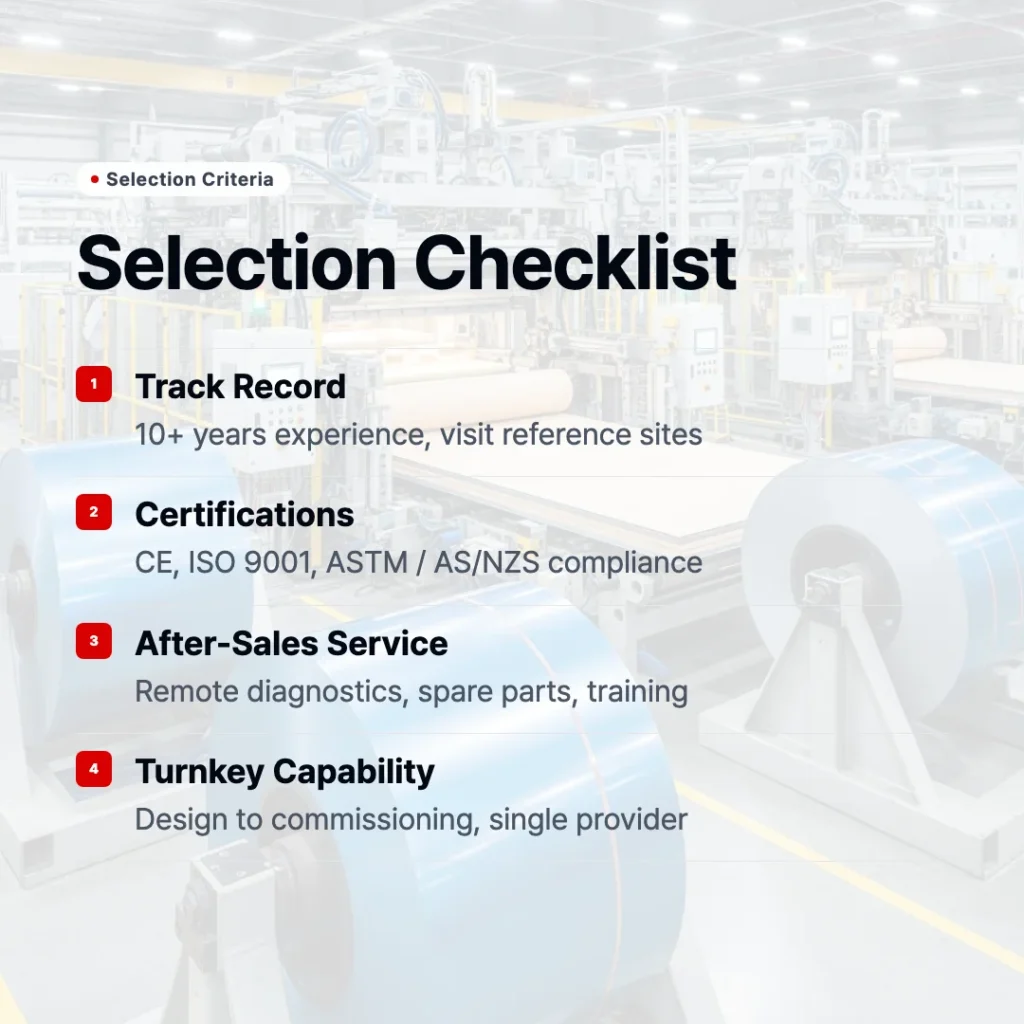
Equipment investment runs into millions of dollars, so manufacturer selection must be approached with care. Here are the key criteria to evaluate.
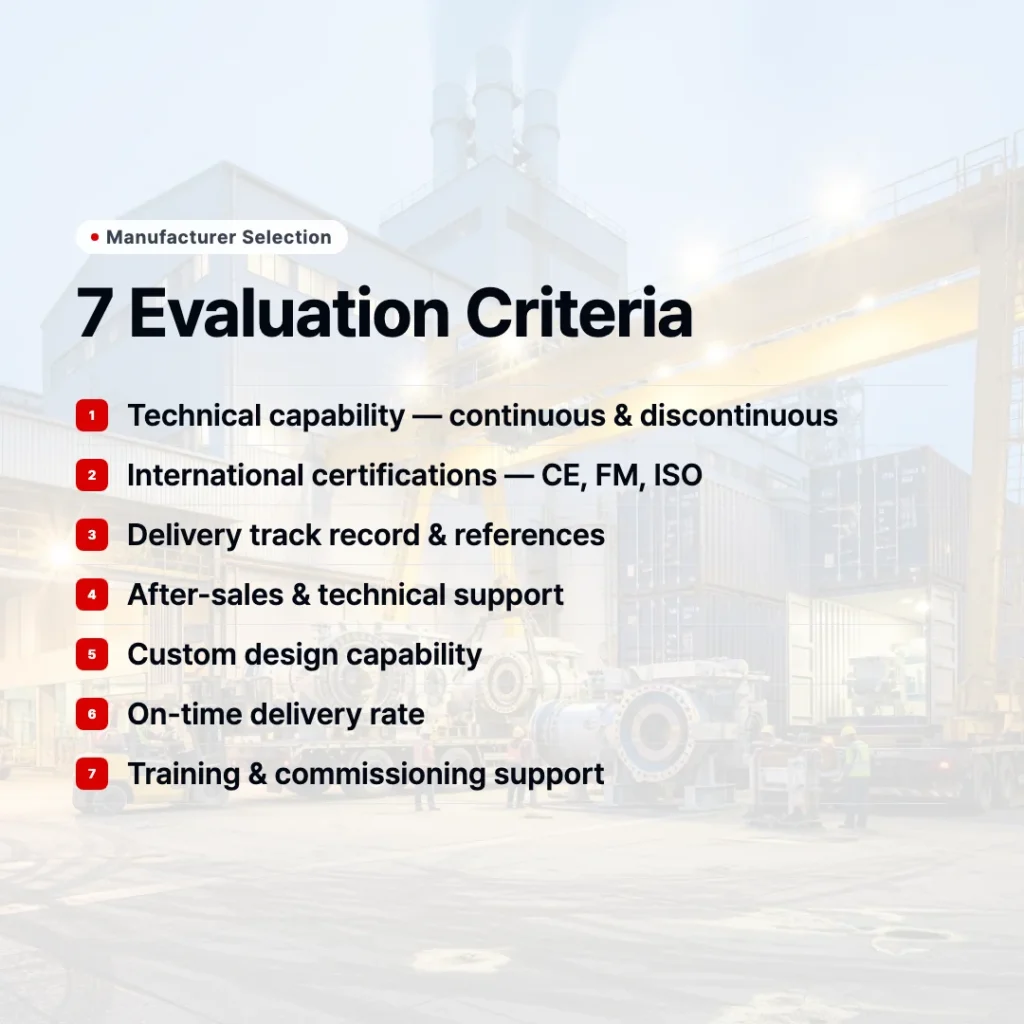
Verify the manufacturer’s track record and references. Look for companies with at least 10 years of experience in production line manufacturing. Visiting operational reference sites to observe equipment condition and gauge customer satisfaction is the most reliable form of due diligence.
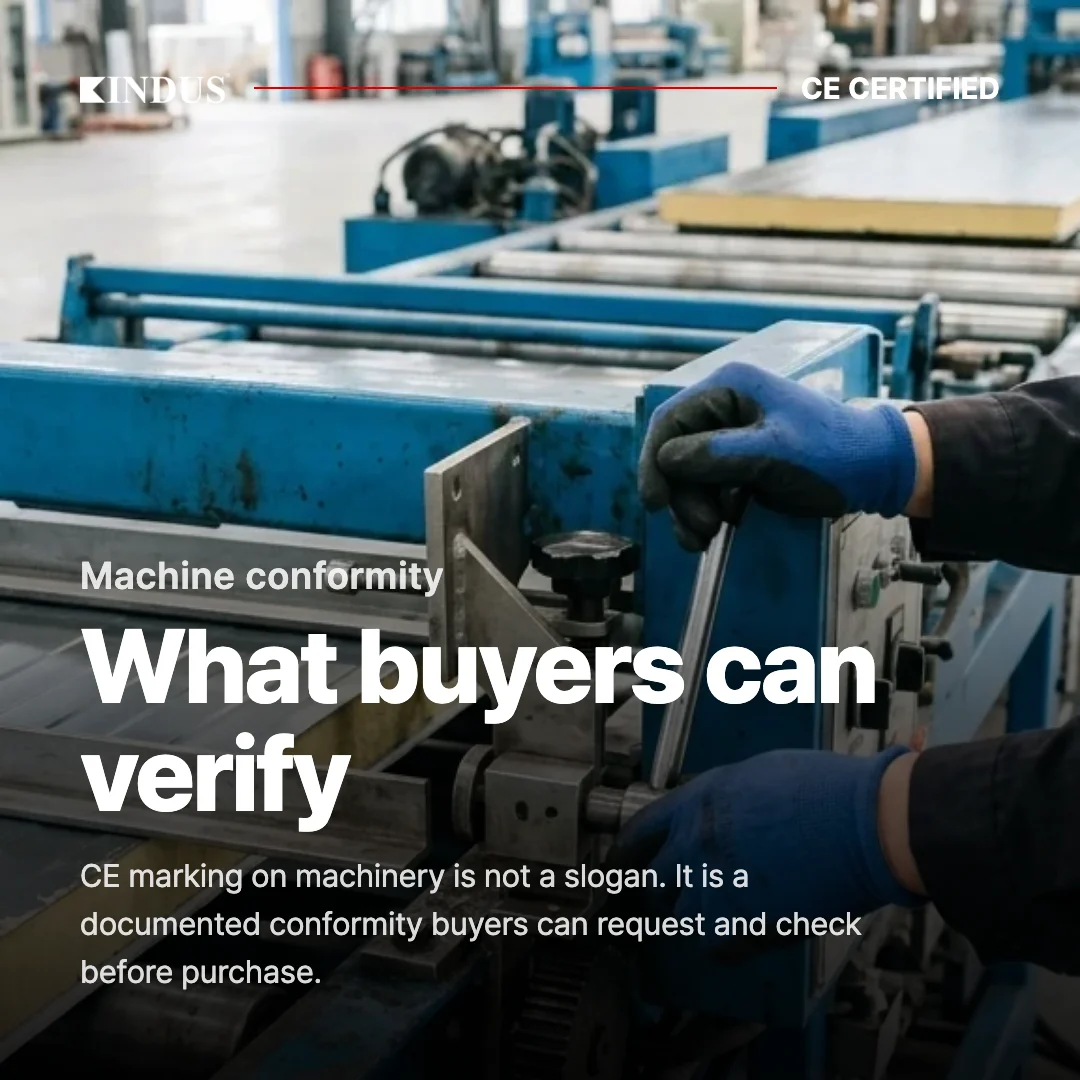
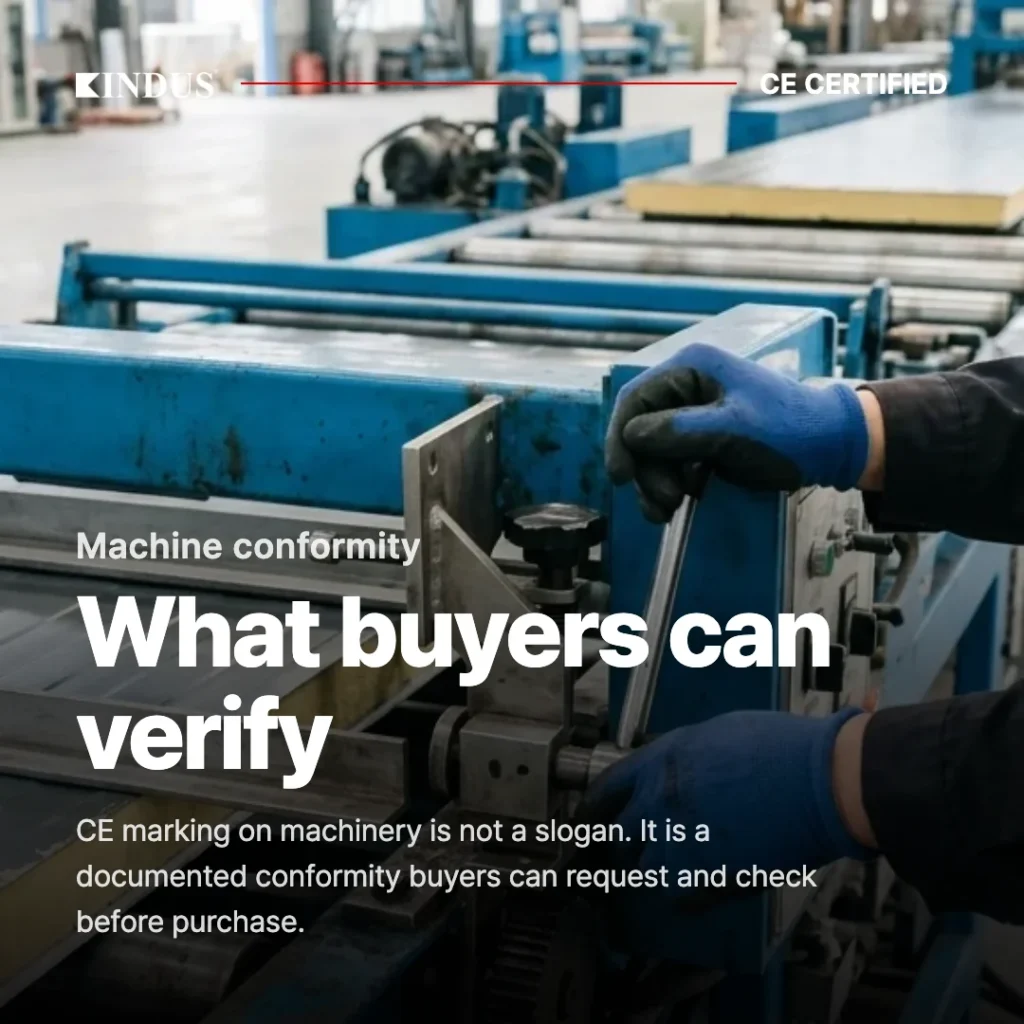
Check for international certifications. CE marking and ISO 9001 quality management certification are baseline requirements. You should also confirm whether the line can produce panels that comply with the standards of your export markets (e.g., ASTM, AS/NZS).
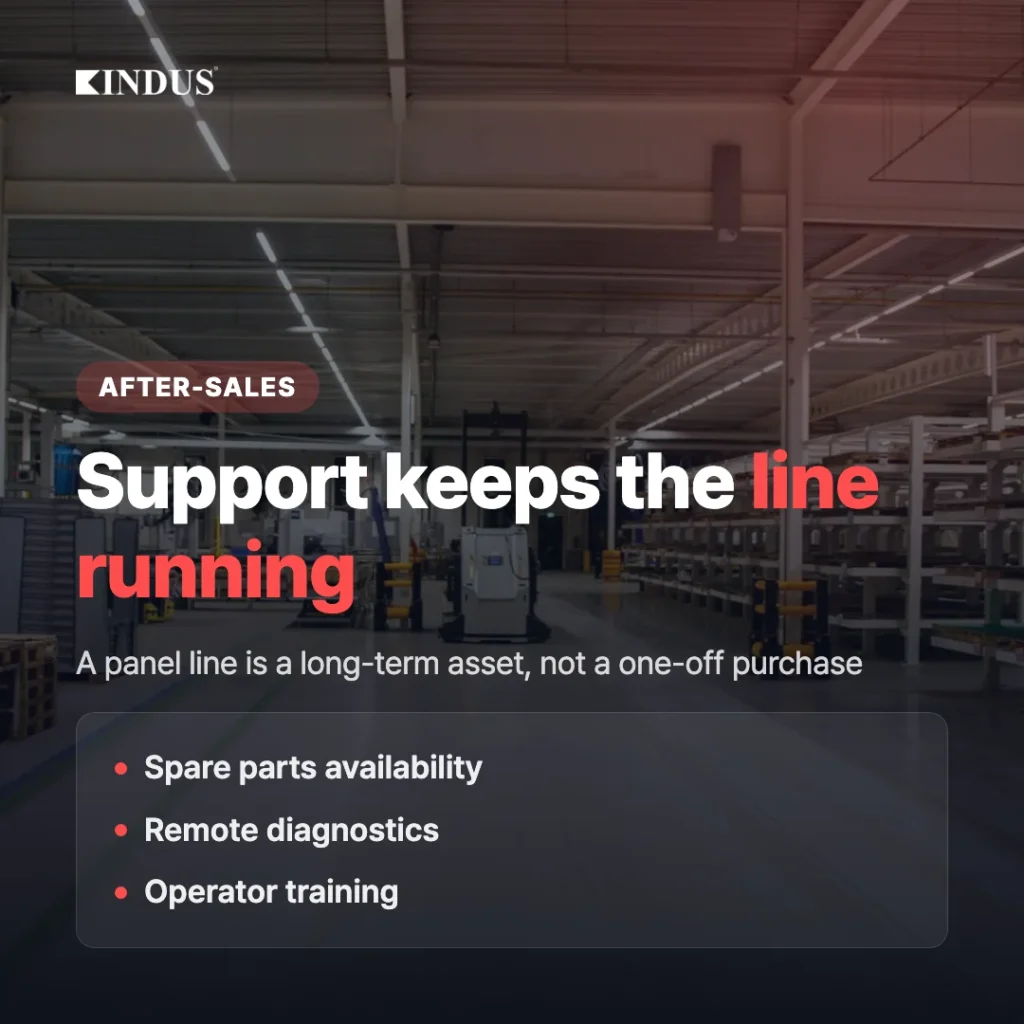
Evaluate the after-sales service infrastructure. Remote diagnostics, on-site engineer dispatch capability, spare parts lead time, and operator training programs are essential evaluation criteria. Equipment uptime depends directly on how quickly after-sales issues are resolved.
Turnkey solution capability is also important. Manufacturers that provide end-to-end services — from design and fabrication to shipping, installation, commissioning, and operator training — minimize project risk. For a deeper guide on choosing the right manufacturer, refer to the article “How to Choose a Sandwich Panel Machine Manufacturer: Expert Guide.”
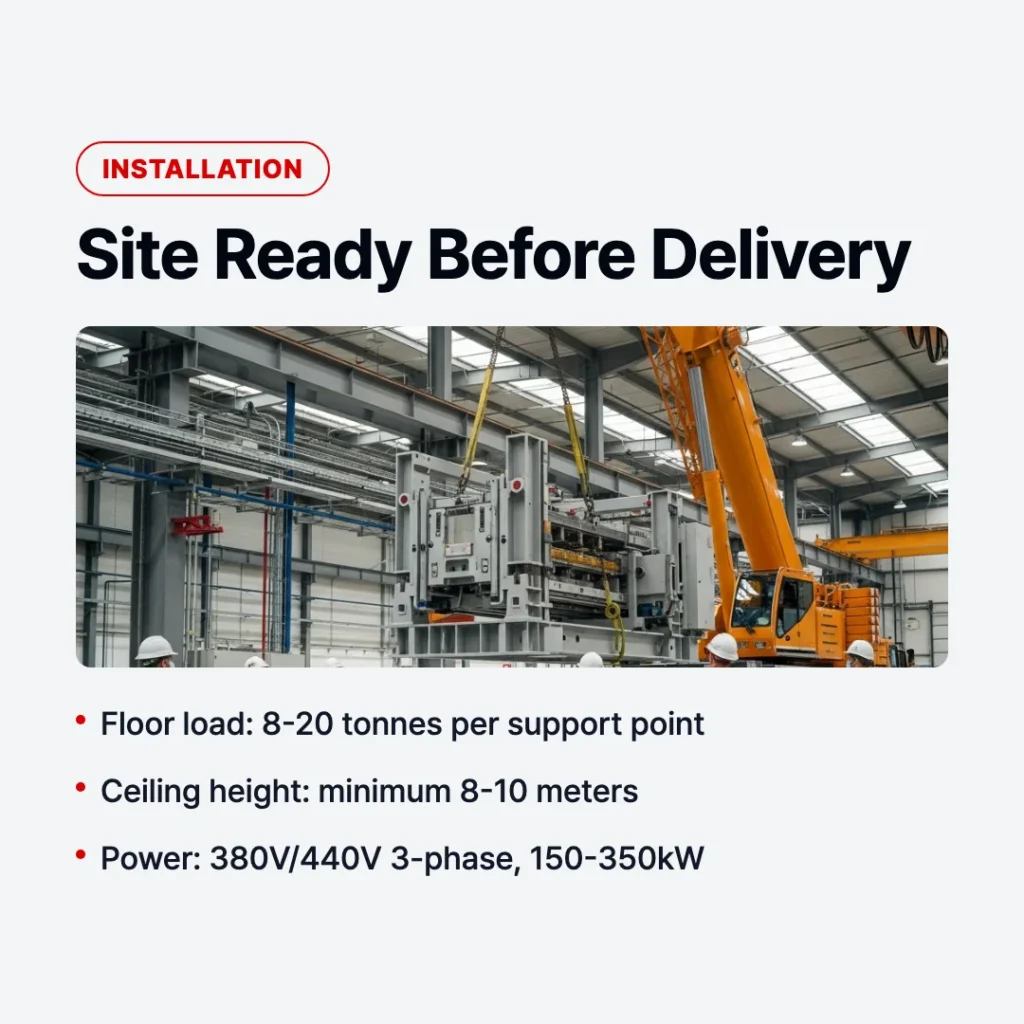
Before installation begins, your factory site must meet specific space, foundation, and utility requirements. For site preparation and setup planning, see our guide on Sandwich Panel Line Installation: Site Requirements & Setup Guide.
In contract terms, ensure that warranty period (typically 12 to 24 months), performance guarantee clauses (remedies if target speed or quality is not met), and payment terms (L/C, T/T installments) are clearly documented.
KINDUS Production Line Lineup — 30 Years of Expertise, CE Certified, 170+ Global Projects
KINDUS has been designing and manufacturing sandwich panel production lines since 1996. Over the past three decades, the company has successfully delivered more than 170 projects across over 40 countries, proving its technical capabilities on a global scale.
The KINDUS lineup includes continuous PU/PIR lines, mineral wool lines, EPS lines, and discontinuous lines. All lines are CE certified and can be customized to match each client’s target market and production requirements.
A core strength of KINDUS lies in its turnkey service. From the initial consulting phase — including market analysis and ROI simulation — through equipment design, installation, commissioning, and operator training, the entire process is executed by KINDUS’s own engineering team. After installation, remote monitoring systems and a local after-sales network ensure maximum equipment uptime.
Available configurations include line speeds of 2 to 15 meters per minute, panel thickness from 30 to 300 mm, and effective widths of 1,000 to 1,200 mm. A PLC-based fully automated system enables operation with minimal personnel.
Frequently Asked Questions (FAQ)
What types of production lines are available?
Production lines are broadly divided into continuous and discontinuous types. By core material, they are further classified into PU/PIR lines, mineral wool lines, and EPS lines. Continuous lines are suited for high-volume production, while discontinuous lines are better for small-batch, multi-specification production.
What is the most important factor when choosing a production line?
First, define your target output, core material, panel specifications (thickness and width), and automation level. Then evaluate the manufacturer’s reference projects, international certifications, and after-sales service infrastructure. Deciding based on equipment price alone can lead to higher long-term operating costs.
How long does it take from installation to full operation?
Timelines vary depending on line scale and specifications, but generally it takes 4 to 6 months for manufacturing, 1 to 2 months for shipping, and 1 to 2 months for installation and commissioning — totaling 6 to 10 months. Turnkey projects offer more structured scheduling, which helps reduce delay risks.