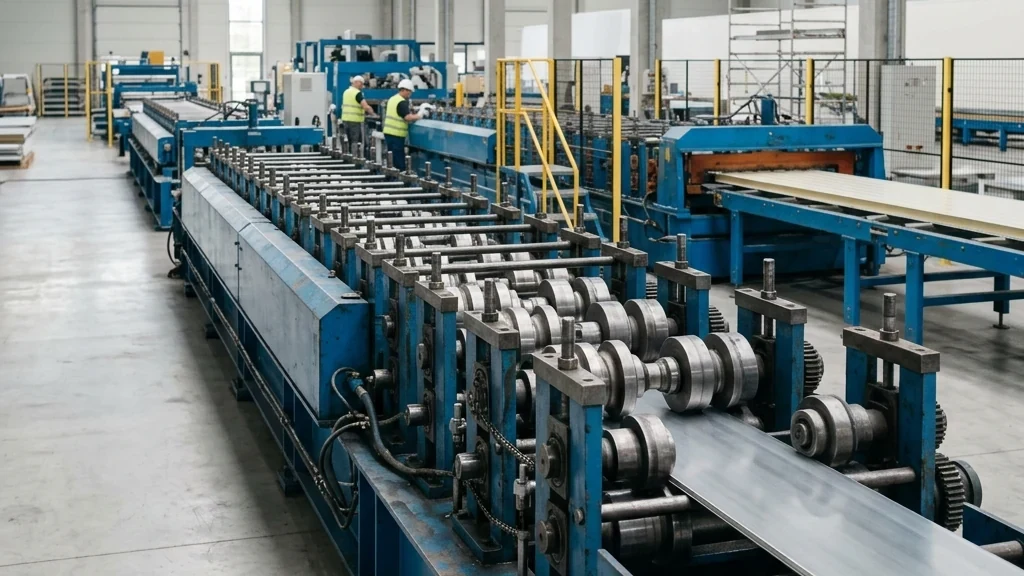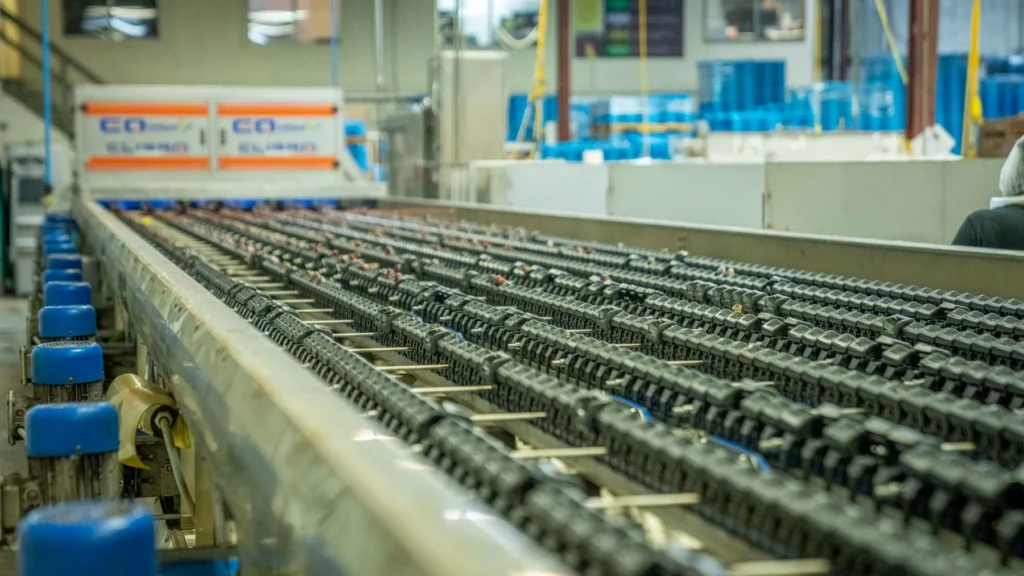
When buying a sandwich panel production line, the machinery itself must meet safety and conformity standards before it can be installed and operated in many markets. For buyers exporting to or operating within Europe, CE certification of the machine is not a formality but a legal requirement. Yet many buyers focus only on line speed and panel specifications, and overlook whether the equipment carries valid CE conformity. Verifying this early prevents costly problems at import and installation.
In this article, we will look at what CE certification means for panel machinery, what it covers, and what buyers should verify before purchase.

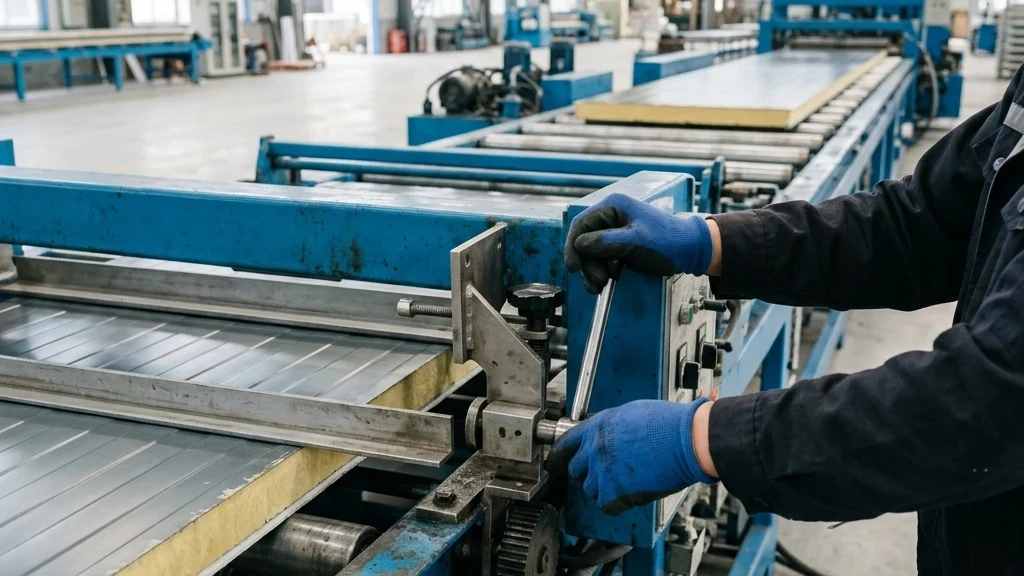
Why CE Marking Matters for Panel Machinery
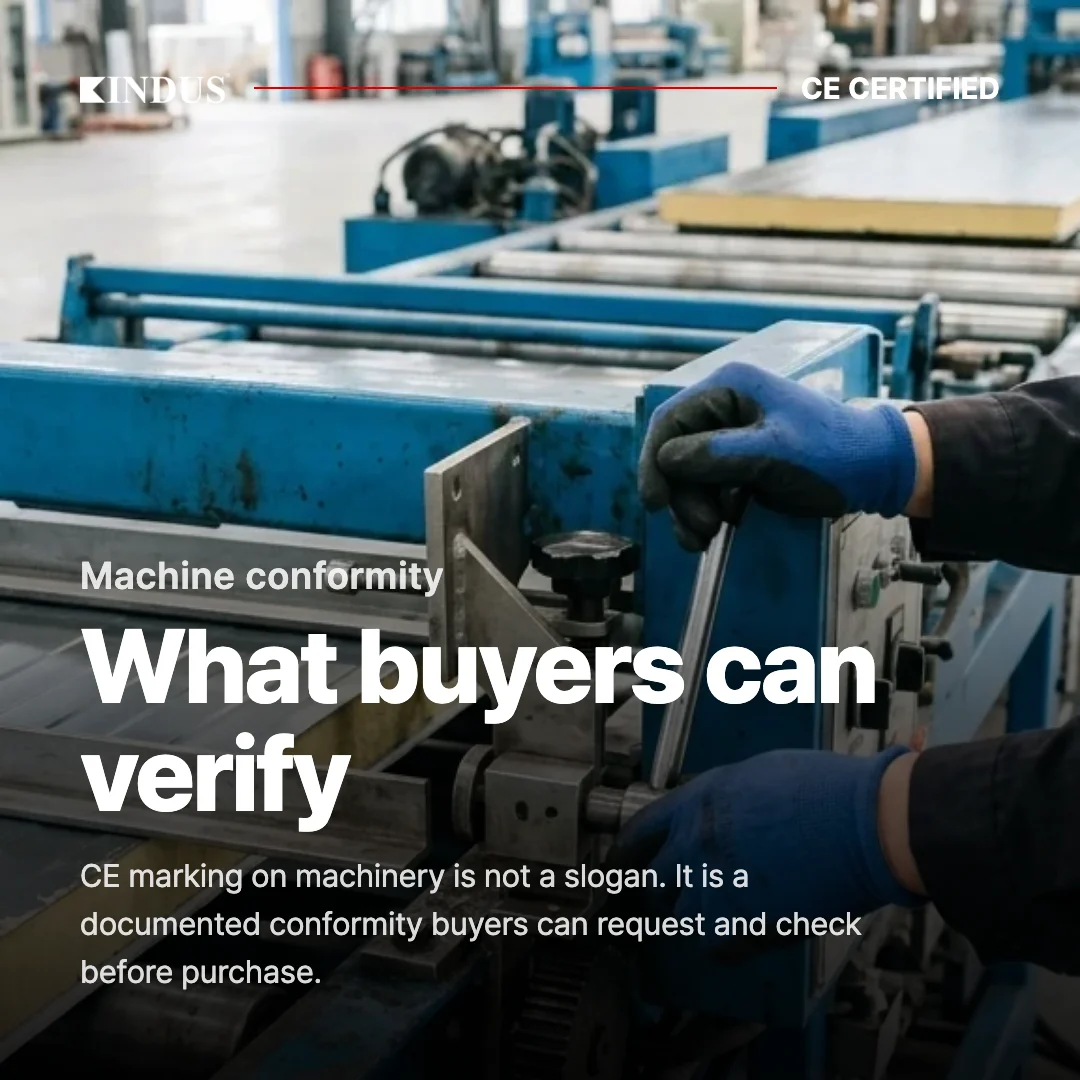
CE marking is a declaration by the manufacturer that a machine meets the applicable European health, safety, and environmental requirements. For industrial machinery such as a sandwich panel line, CE conformity is the basis for legally placing the equipment on the market within the European Economic Area. The legal basis for this is the EU Machinery Directive, which sets out the requirements a machine must satisfy before CE certification.
The difference between a CE-marked line and an uncertified one is legal and practical. Without valid conformity, equipment can be held at customs, rejected by insurers, or flagged during a workplace safety inspection. For a buyer, CE marking is evidence that the machine was designed and documented against recognized safety standards. This is why CE certification should be part of supplier evaluation from the start, alongside the guidance in How to Choose a Sandwich Panel Machine Manufacturer: Expert Guide.
What CE Certification Covers
- Mechanical safety — guarding of moving and press zones
- Electrical safety of control and power systems
- Risk assessment of foreseeable hazards
- Operator manuals and safety instructions
- Assessed for the integrated line, not single parts
CE marking for a production line is based on the applicable directives, with the Machinery Directive being the central one for panel equipment. It addresses the safety of the machine across its whole life, not just its performance.
The main areas that conformity covers are:
- Mechanical safety, including guarding of moving parts and press zones
- Electrical safety of the control and power systems
- Risk assessment documenting foreseeable hazards and mitigations
- Operator information, including manuals and safety instructions
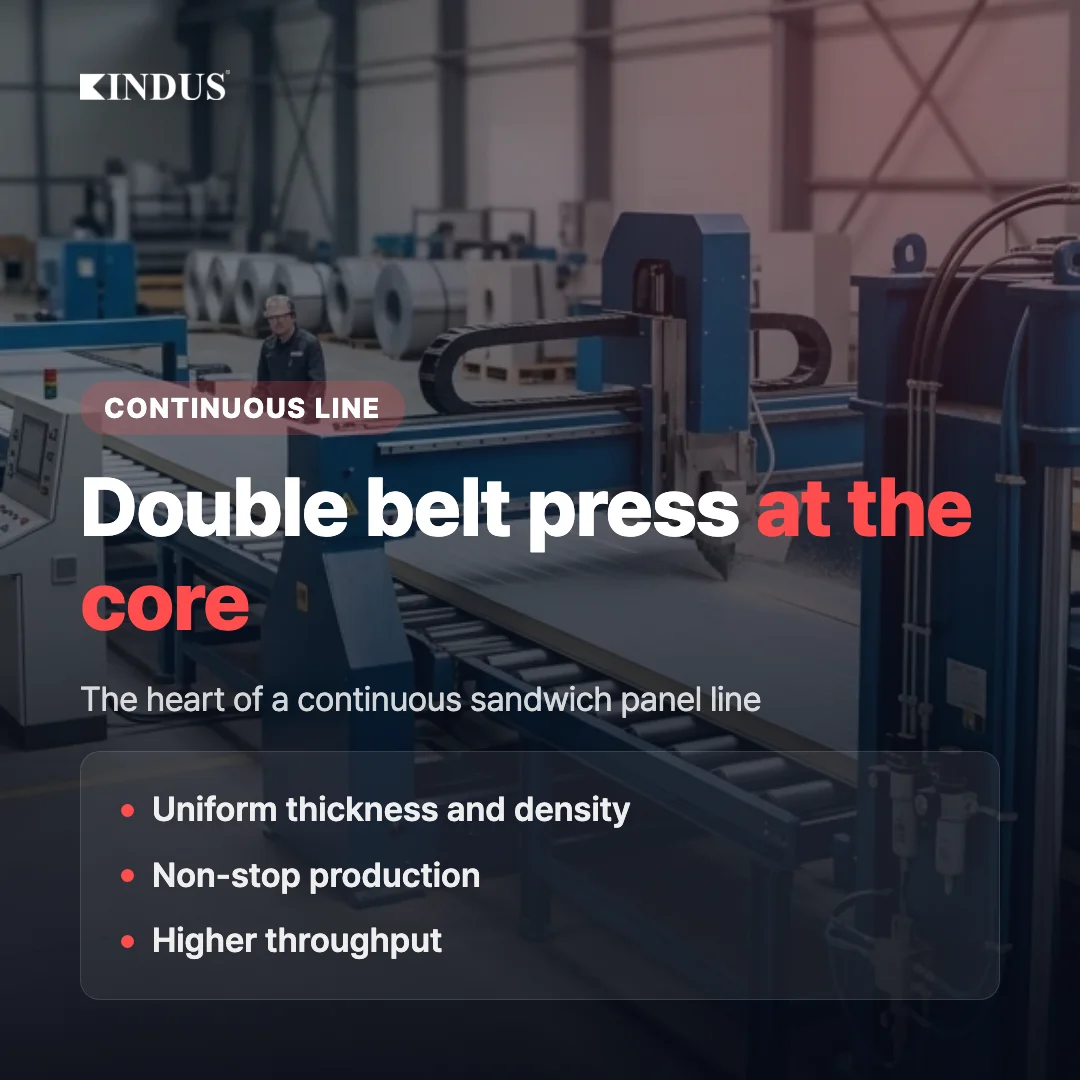
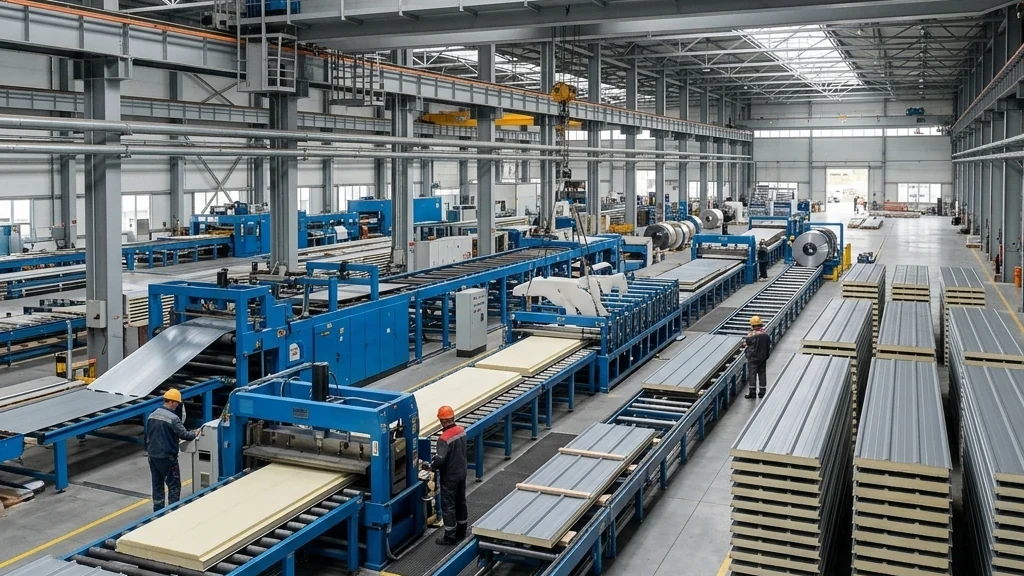
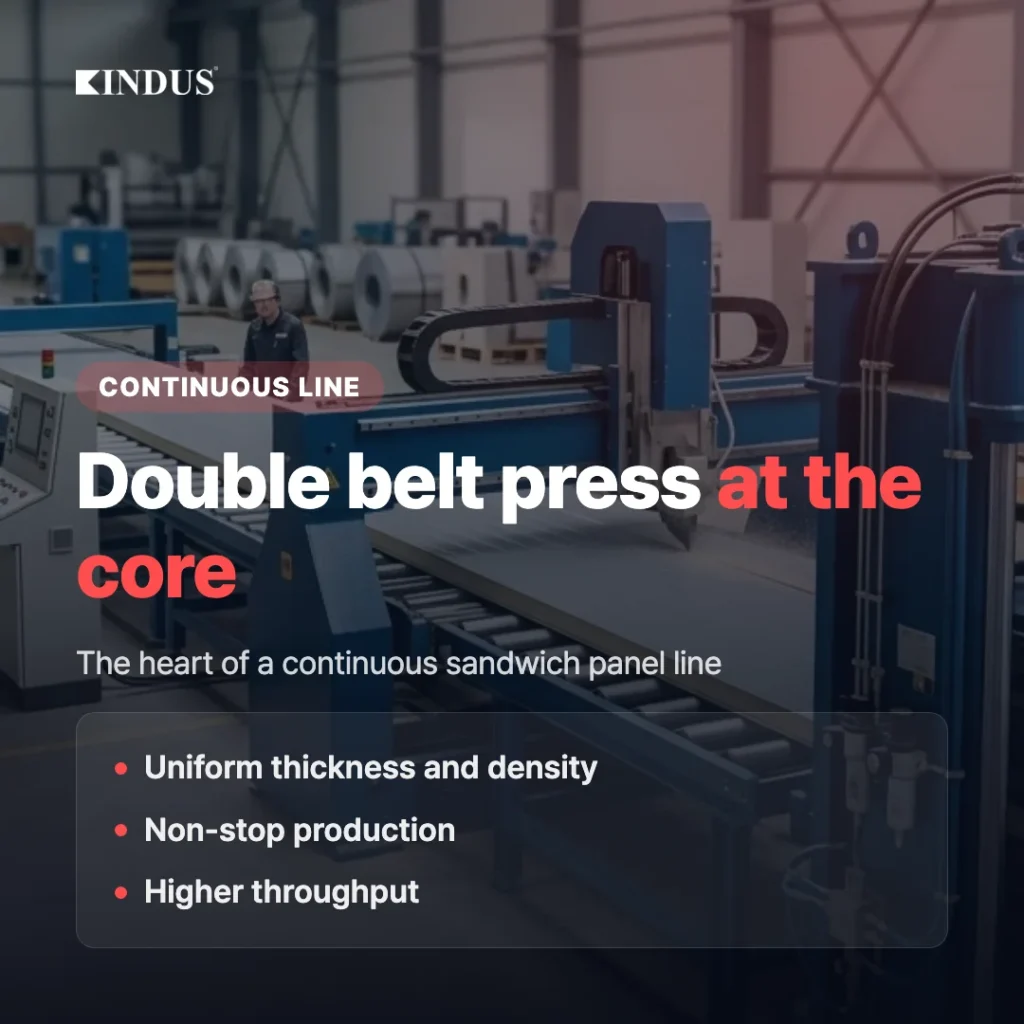
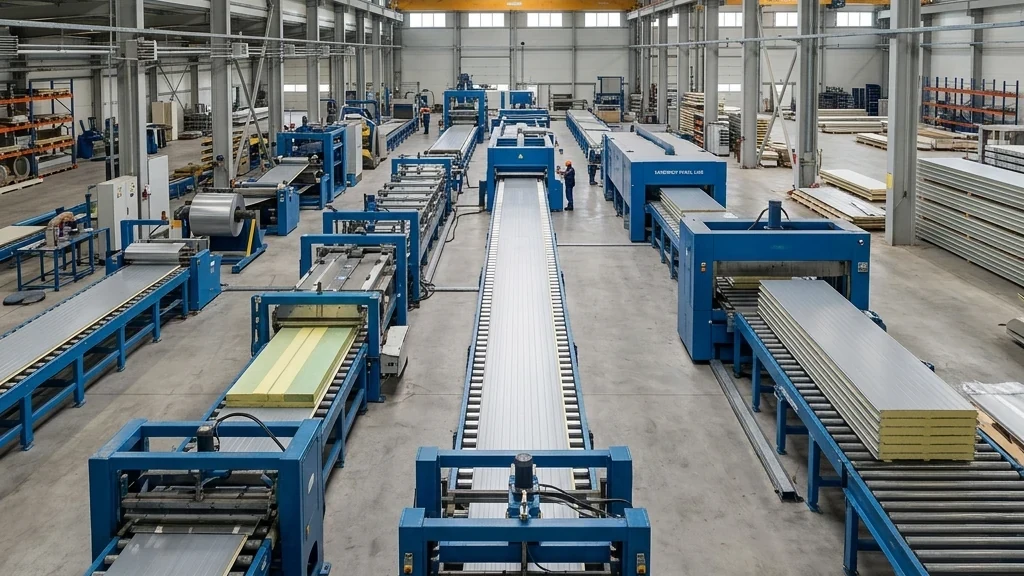
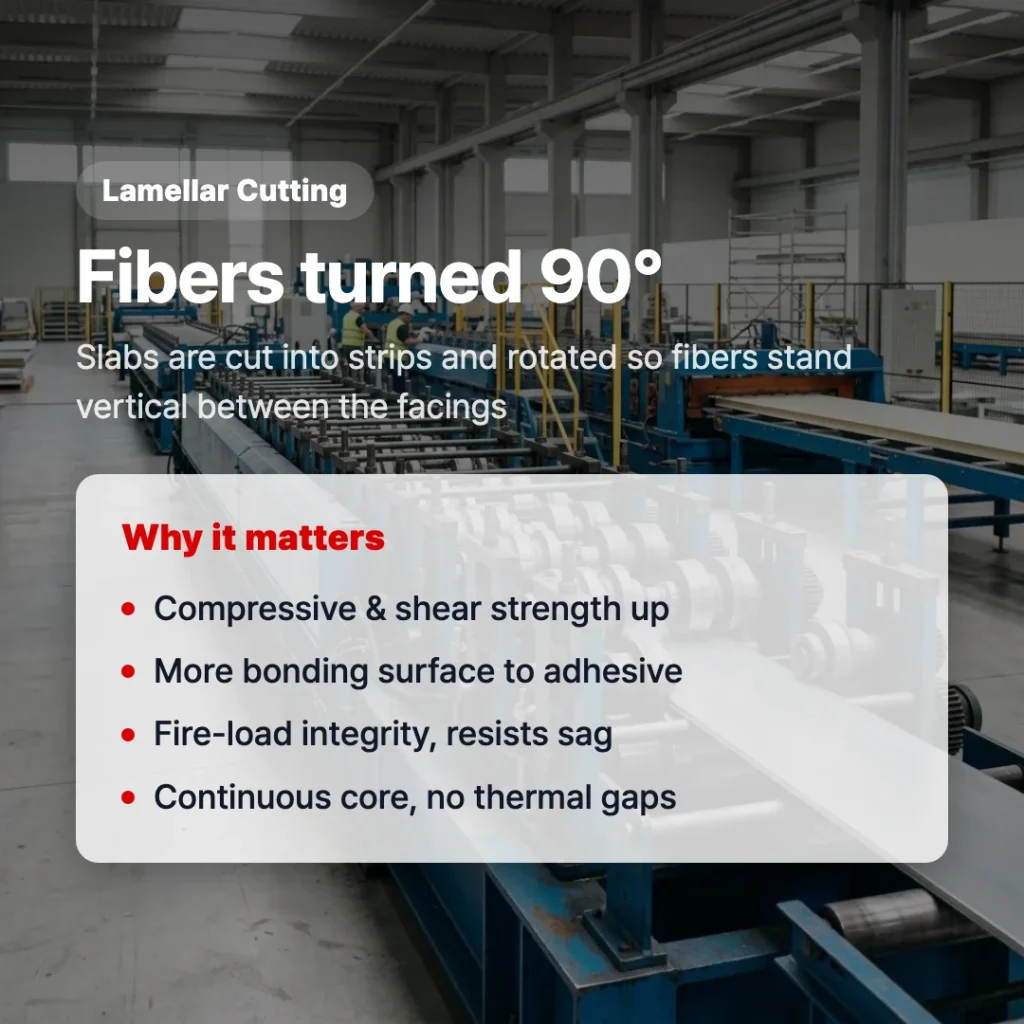
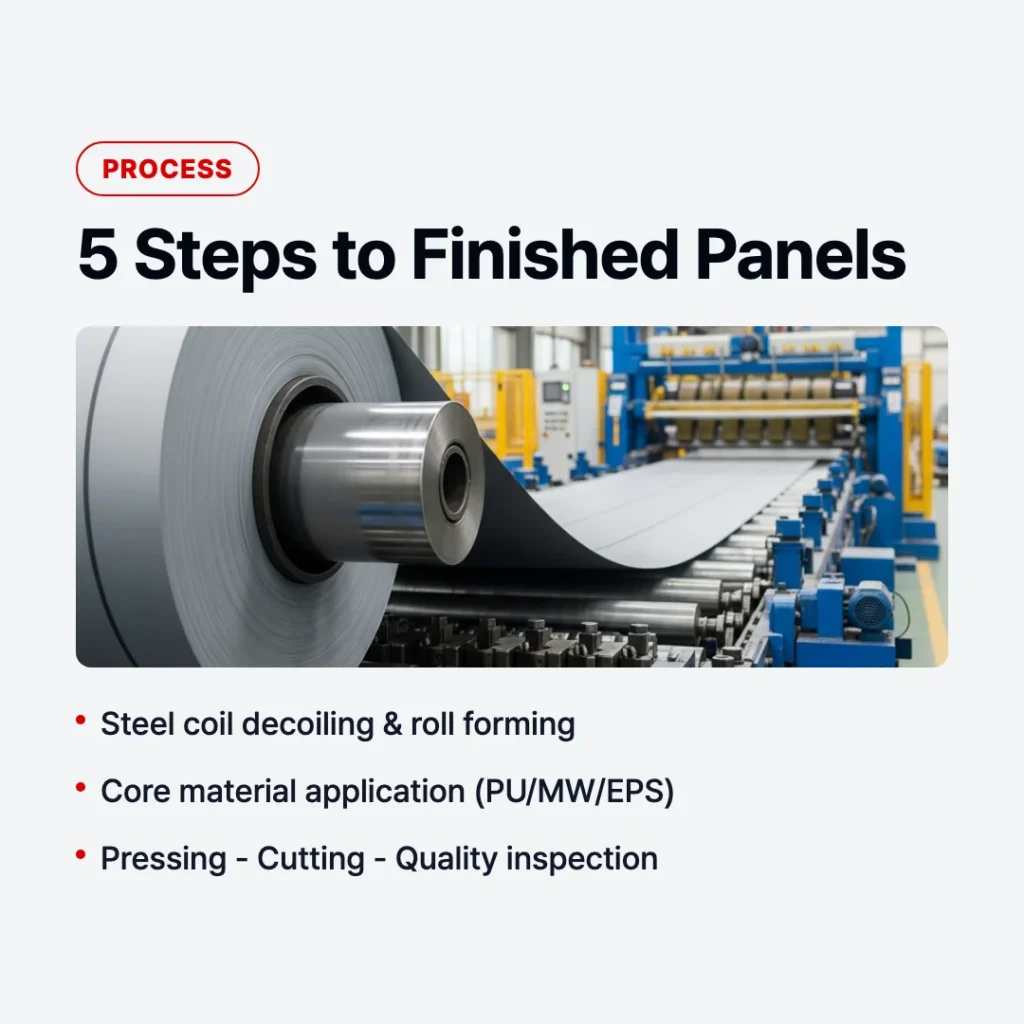
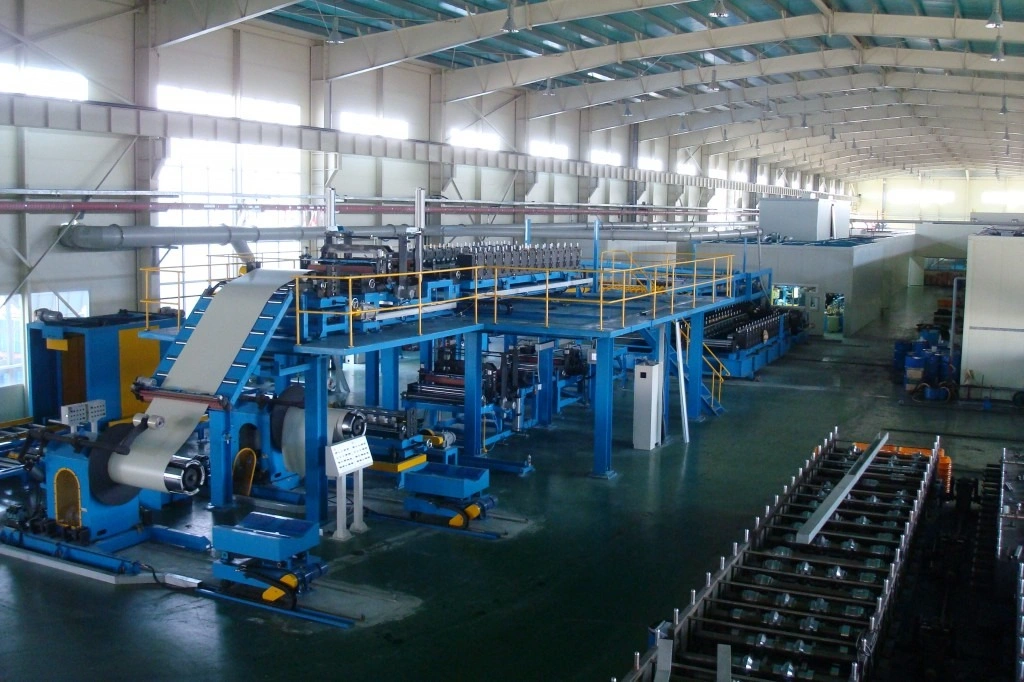
Because a sandwich panel line combines roll forming, a moving press, cutting, and chemical handling, the risk assessment must consider how these sections interact. Conformity is therefore assessed for the integrated line, not only for individual components.
Documents Buyers Should Request
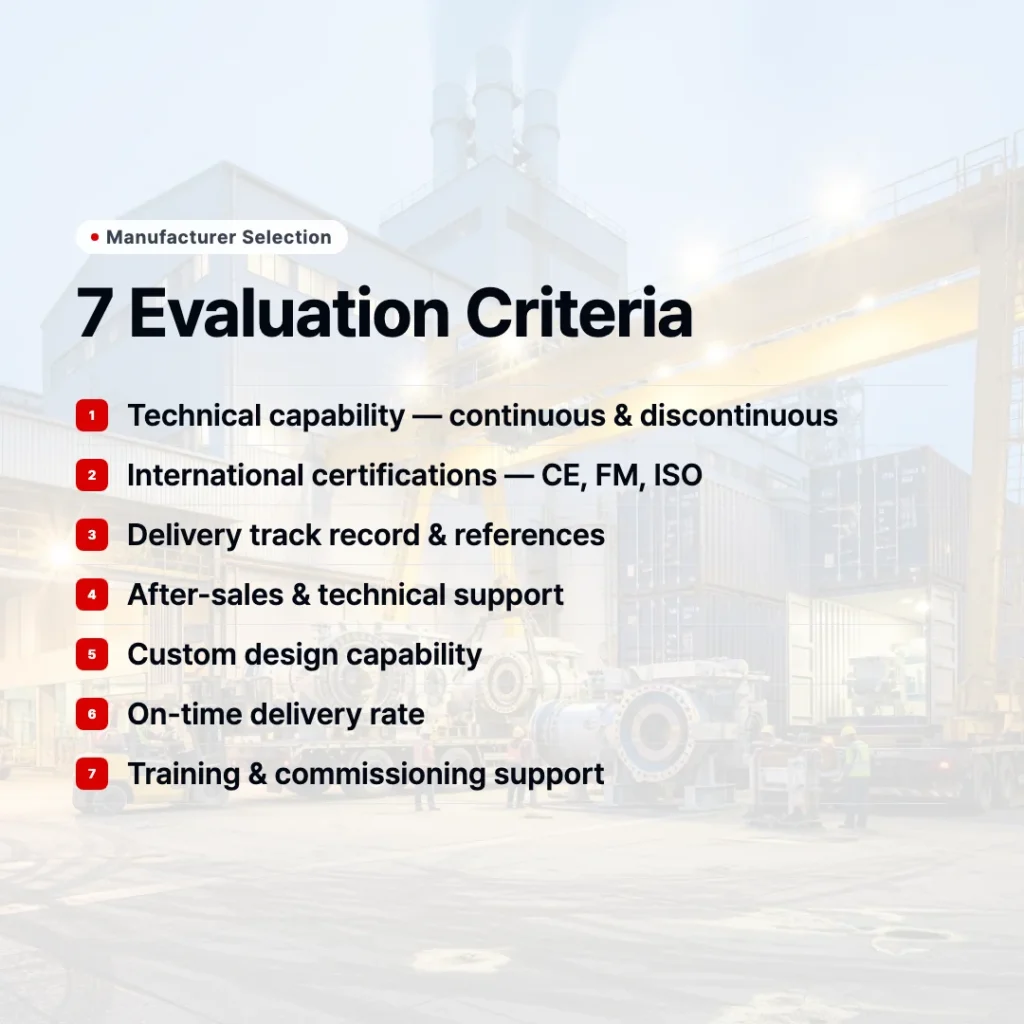
CE marking is only meaningful if it is backed by documentation. A buyer should ask for the supporting records rather than relying on the marking alone.
The key documents are the Declaration of Conformity, which names the machine and the directives it meets, and the technical file or its summary, which records the risk assessment and design measures. The operator and maintenance manuals in the required language complete the package.
Is the CE mark on the machine enough?
No. The mark should be supported by a signed Declaration of Conformity and the technical documentation. Without these records, the marking alone cannot be verified.
Requesting these documents before shipment avoids disputes at import and gives the buyer a record for future inspections.
CE and Other Standards
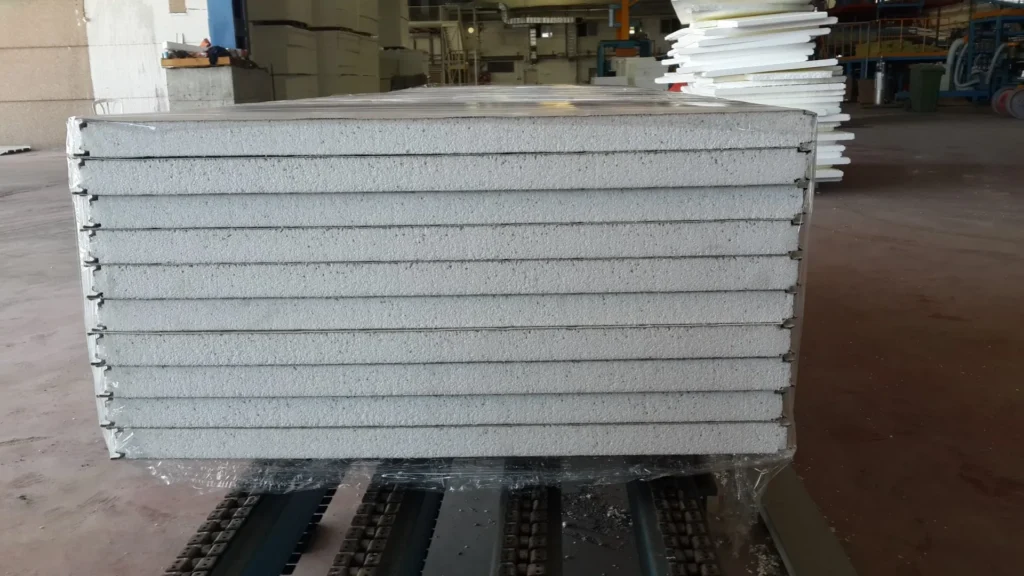
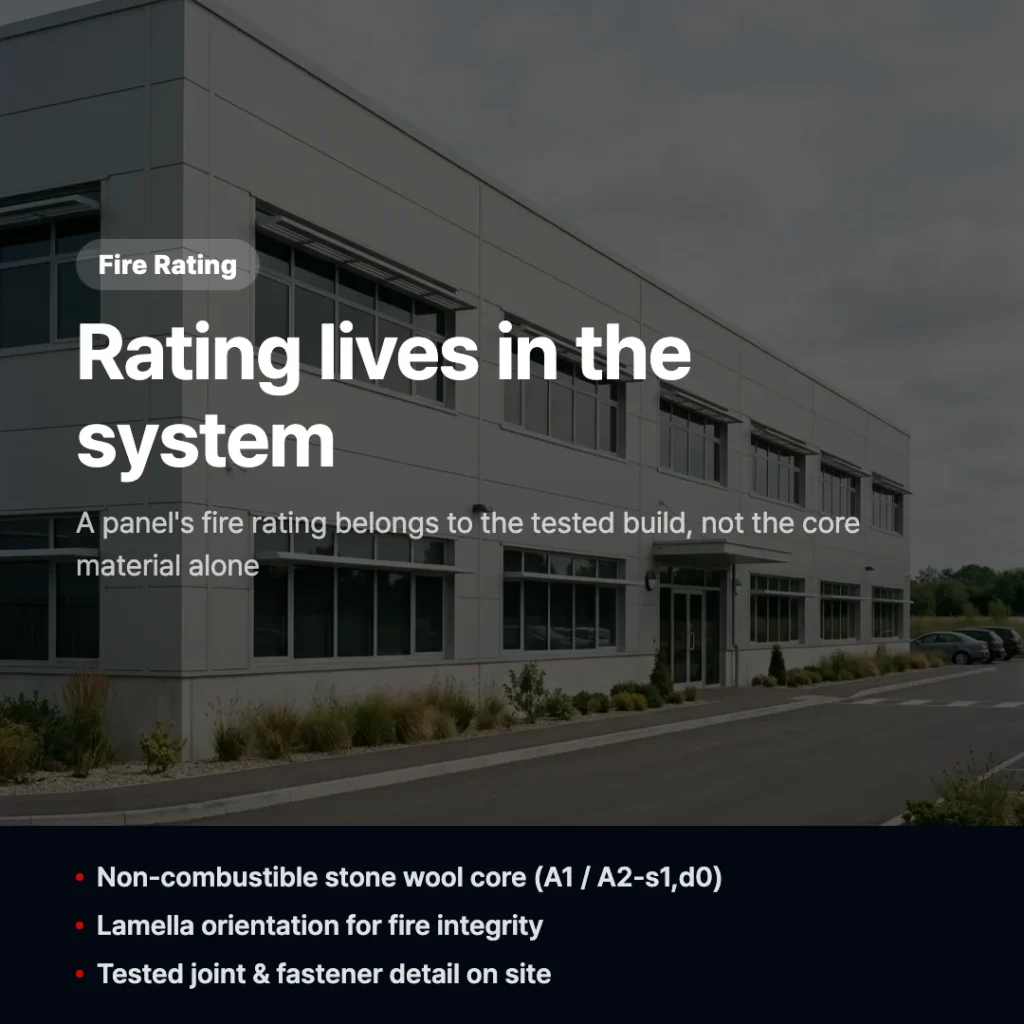
CE conformity applies to the machine, and it is separate from the fire or performance certification of the panels the machine produces. Buyers sometimes confuse the two, but they answer different questions. Machine CE marking concerns operator safety and legal placement of the equipment, while panel certification concerns the finished product’s fire and structural performance.
A complete purchase considers both. The line must be safe and legally compliant to operate, and the panels it produces must meet the certification required in the target market. Treating machine conformity and panel certification as one requirement leads to gaps that surface only after installation.
Kindus documents machine conformity separately from panel performance data, so buyers receive clear records for both the equipment and the product it will manufacture.
Kindus CE-Certified Equipment
Kindus supplies sandwich panel lines with CE-certified equipment and provides the supporting conformity documentation with delivery. Having exported panel lines to more than 40 countries, Kindus prepares the declaration and technical records that buyers need for import and installation as part of the delivery.
At Kindus, machine conformity is treated as part of the delivery scope rather than an afterthought, so that installation and commissioning proceed without conformity-related delays. This gives buyers a documented basis for operating the line safely and legally.
Frequently Asked Questions
Does CE marking apply to the machine or the panels?
CE marking discussed here applies to the machinery and its operator safety. The fire and structural certification of the finished panels is a separate matter with its own standards.
What is the most important CE document to request?
The signed Declaration of Conformity is the core document. It names the machine and the directives it meets and should be supported by the technical file and operator manuals.
Why does the risk assessment cover the whole line?
Because a panel line combines roll forming, pressing, cutting, and chemical handling, the hazards interact. Conformity is assessed for the integrated line so that these interactions are addressed.
Verifying machine conformity early protects a buyer at import, installation, and inspection. To review the CE documentation provided with a line, get in touch.